
These guides are a separate collection from our existing general apparel blog. They help you prepare questions and specifications; project feasibility, minimum quantities, materials, pricing and timing must still be confirmed for each order.
 Fit & Measurement
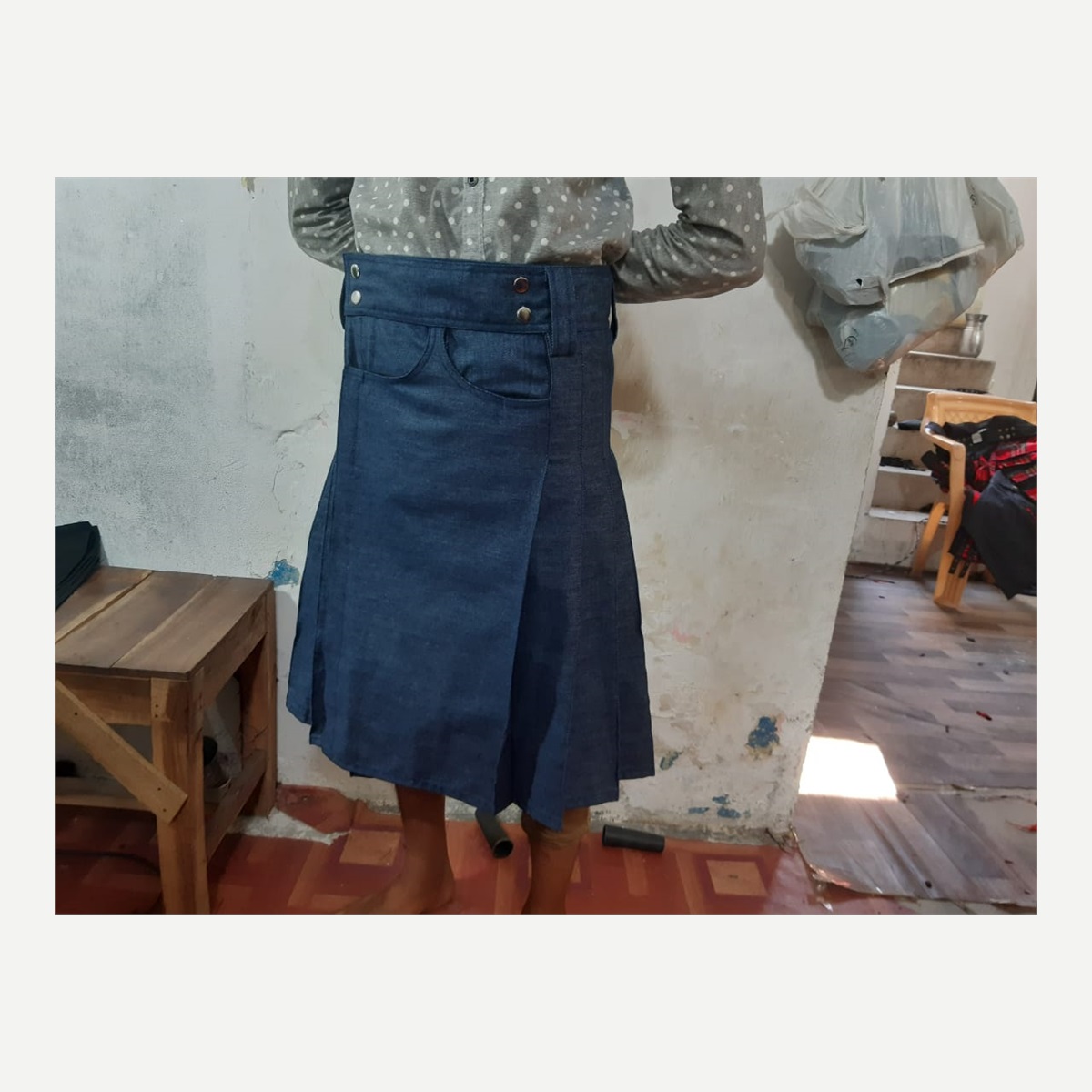
Kilt Measurements for a Custom Manufacturing Order
Accurate measurements turn a kilt idea into a garment that can be assessed, sampled and graded. A buyer should identify the intended fit first, then document where and how each measurement was taken. Measurements from a well-fitting garment can be useful, but they are not automatically the same as body measurements.
Read guide → Fit & Measurement
How to Measure Kilt Waist, Seat and Finished Length
Waist, seat and finished length are a useful starting set for a custom kilt brief, but each point needs a consistent definition. Buyers and manufacturers can otherwise use the same word for different locations and produce measurements that cannot be compared.
Read guide → Fit & Measurement
Choosing a Kilt Length: Briefing Fit and Hem Position
Kilt length is a design decision as well as a fit measurement. A buyer should describe the intended silhouette and wearer rather than relying on a number alone, especially when comparing references photographed at different angles or on different body types.
Read guide →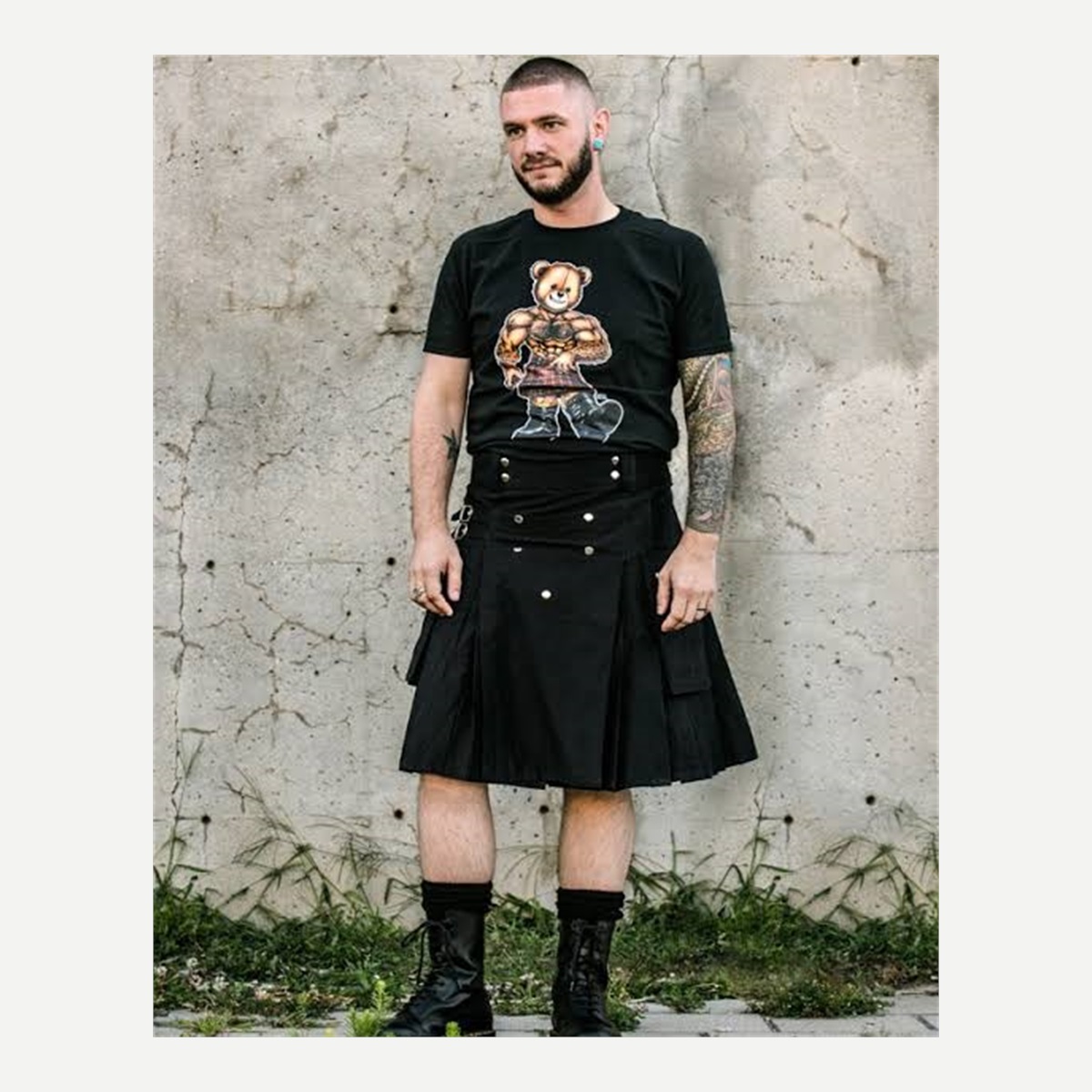 Fit & Measurement
Building a Kilt Size Chart for a New Brand
A useful kilt size chart is more than a row of waist labels. It tells a customer which body measurements to compare, explains the intended fit, and helps a production team understand how the finished garment should measure.
Read guide → Fit & Measurement
Kilt Size Grading for a Small First Production Run
Size grading applies a defined change from one size to the next. On a kilt, waist, seat, length, pleat distribution and pocket placement may not all change by the same amount, so the grading plan should be reviewed as a garment system rather than a single multiplier.
Read guide → Style & Design
Traditional Tartan vs Utility Kilts: Construction Brief Differences
Traditional tartan and utility kilts can share a broad silhouette, but their construction priorities are different. A traditional-inspired brief may focus on tartan placement and pleat appearance, while a utility brief often prioritizes pocket function, reinforcement and hardware.
Read guide → Fabric & Tartan
Planning Tartan Pattern Placement on a Kilt
Tartan placement affects how a kilt looks when worn and how efficiently fabric may be used. A reference image can communicate color direction, but it does not always show the repeat, scale or alignment needed to cut a production sample.
Read guide → Fabric & Tartan
How to Specify Tartan Repeat, Scale and Color
A tartan reference should communicate three separate things: the colorway, the scale of the check and the repeat of the pattern. Treating them as one visual choice can lead to a sample that resembles the reference at a glance but differs in important details.
Read guide → Fabric & Tartan
Choosing Tartan Fabric for a Custom Kilt
The best tartan fabric depends on the product’s intended look, comfort, use and care requirements. A traditional appearance does not by itself specify fiber content, weight, hand feel, drape or performance, so a buyer should translate inspiration into material criteria.
Read guide → Fabric & Tartan
Wool and Wool-Blend Kilt Fabrics: Questions for Buyers
Wool and wool-blend fabrics can differ in warmth, drape, care, texture and cost. The fiber label alone cannot tell a buyer how a particular fabric will look in pleats or feel during wear; the fabric weight and construction matter too.
Read guide → Fabric & Tartan
Choosing Fabric Weight for a Durable Utility Kilt
A utility kilt may need to support pockets, hardware and repeated movement, but heavier fabric is not automatically more durable or comfortable. Fabric selection should match the garment’s intended use and the loads created by its design.
Read guide → Fabric & Tartan
Fabric Shrinkage and Pre-Treatment for Kilt Production
Shrinkage can change a garment’s fit and finished length if fabric behavior is not understood before production. Whether pre-treatment is needed depends on fiber, fabric finishing, care method and the product’s intended use.
Read guide → Fabric & Tartan
Colorfastness Questions for Tartan and Dark Kilt Fabrics
Colorfastness concerns how well a fabric retains color under conditions such as washing, rubbing or light exposure. It matters for tartans and saturated colors because transfer or fading can affect both the garment and what it touches.
Read guide → Style & Design
Kilt Pleat Layouts: How to Brief the Look You Want
Pleat layout affects the silhouette, movement and visible pattern of a kilt. A reference photo may show the overall appearance but rarely explains the pleat direction, spacing or the way the design should behave when the garment is worn.
Read guide → Style & Design
Specifying Pleat Depth and Fullness in a Kilt
Pleat depth and fullness influence how a kilt hangs, moves and uses fabric. Terms like “full pleats” can mean different things to different teams, so a buyer should describe the finished appearance and provide measurable references where possible.
Read guide → Style & Design
Box Pleats vs Knife Pleats for Custom Kilt Designs
Box and knife pleats create different visual rhythms and use fabric differently. Choosing between them is not just a terminology decision; the desired front, back and side views should be clear before pattern development.
Read guide → Style & Design
Designing a Panel Kilt: Seams, Color Blocking and Fit
Panel kilts use visible sections to create color, pattern or construction effects. These seams can define the look, so their placement, width and interaction with the wearer’s movement should be described as clearly as the color palette.
Read guide →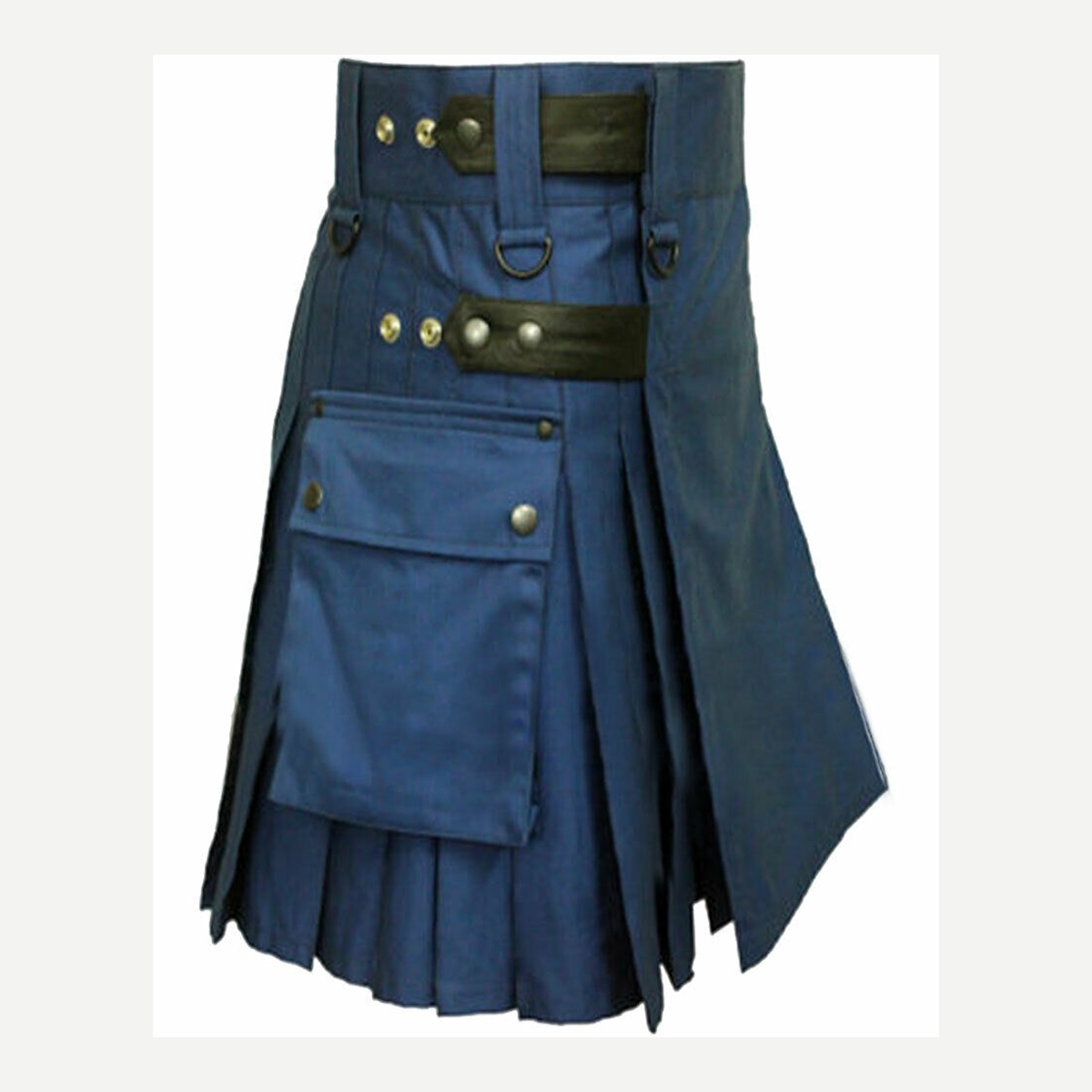 Utility Kilt Design
Planning a Cargo Kilt Pocket Layout That Works
Cargo pockets change a kilt’s function, balance and silhouette. A useful brief explains what the wearer needs to carry and where pockets should sit, rather than simply asking for “large cargo pockets.”
Read guide → Utility Kilt Design
Reinforcement and Stress Points on Utility Kilts
Pockets, belt loops and hardware create localized loads that can stress the garment. Reinforcement should be planned at those attachment points based on intended use, material and construction rather than added as a vague request for extra strength.
Read guide →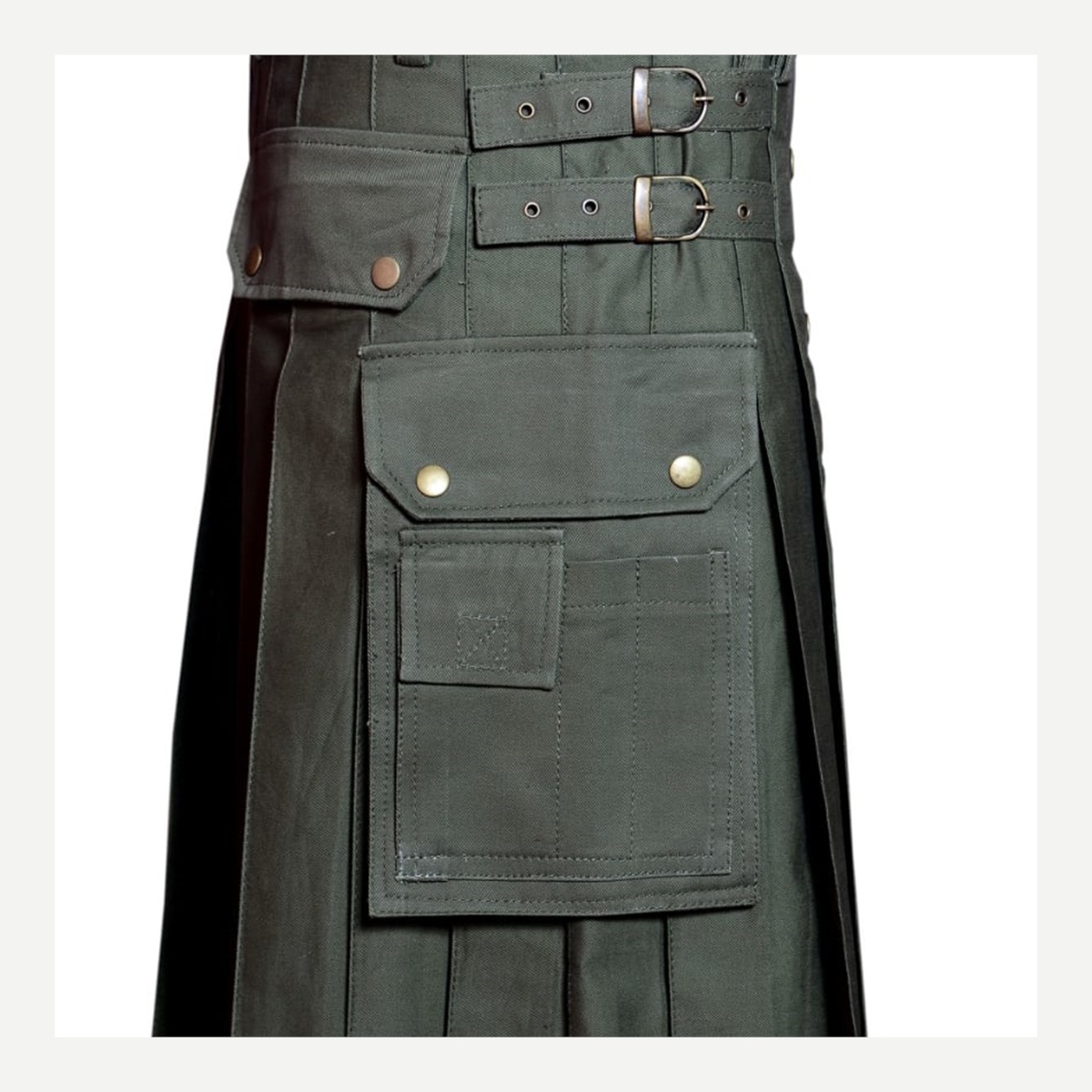 Utility Kilt Design
Kilt Waistband and Closure Options to Specify
The waistband and closure influence adjustability, comfort and the finished appearance of a kilt. A buyer should identify how the garment is put on, where adjustment is needed and what hardware or clean finish is expected.
Read guide →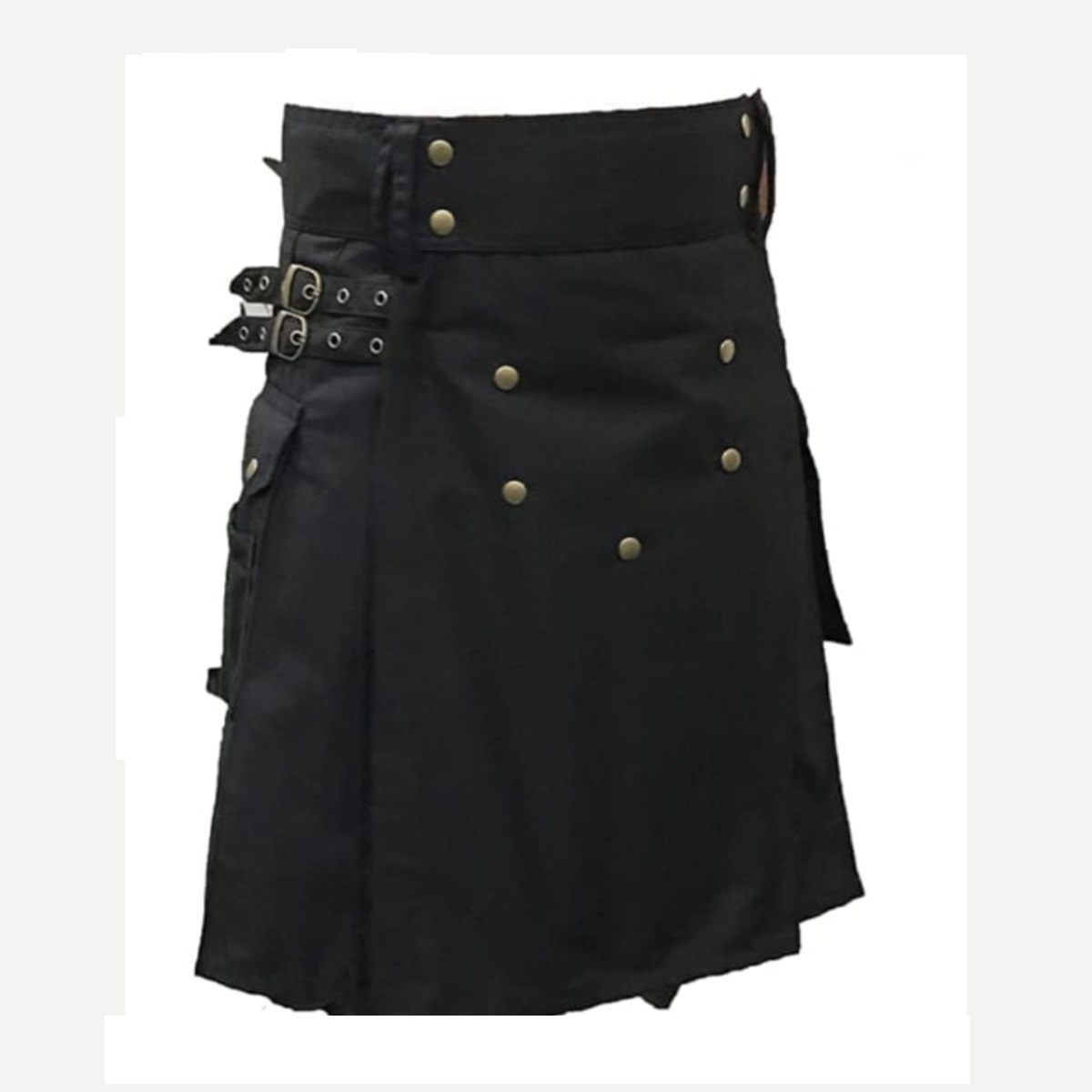 Utility Kilt Design
Belt Loops and Hardware Placement on a Kilt
Belt loops, rings and other hardware are prominent functional and visual details. Their spacing and attachment method should be defined before sampling so the belt can sit correctly without interfering with pockets or the wearer.
Read guide →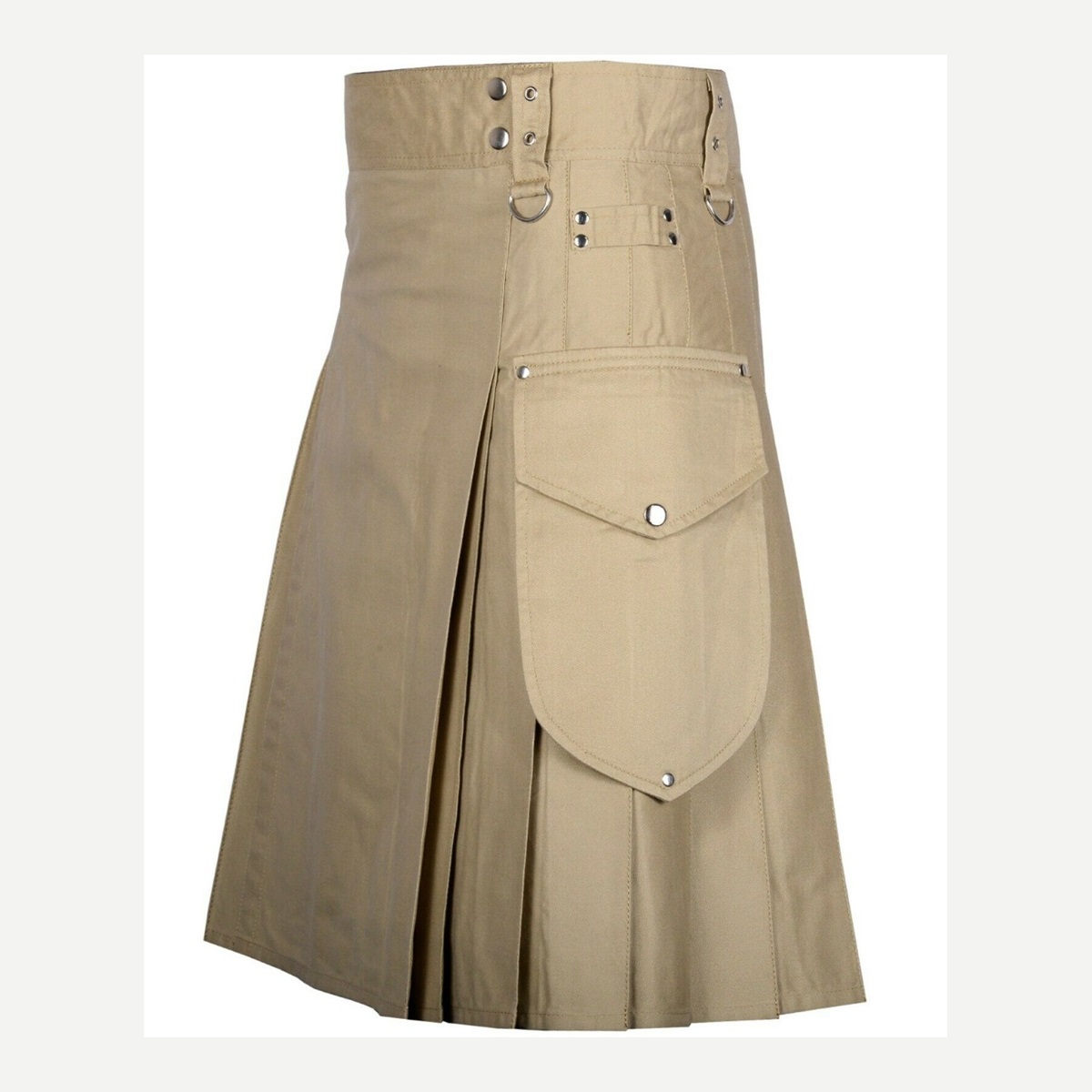 Utility Kilt Design
Choosing Buttons, Snaps and Buckles for Kilts
Fasteners affect how a kilt closes, how easy it is to adjust and how the garment looks. The right option depends on fabric thickness, intended use and whether the hardware will be visible or concealed.
Read guide →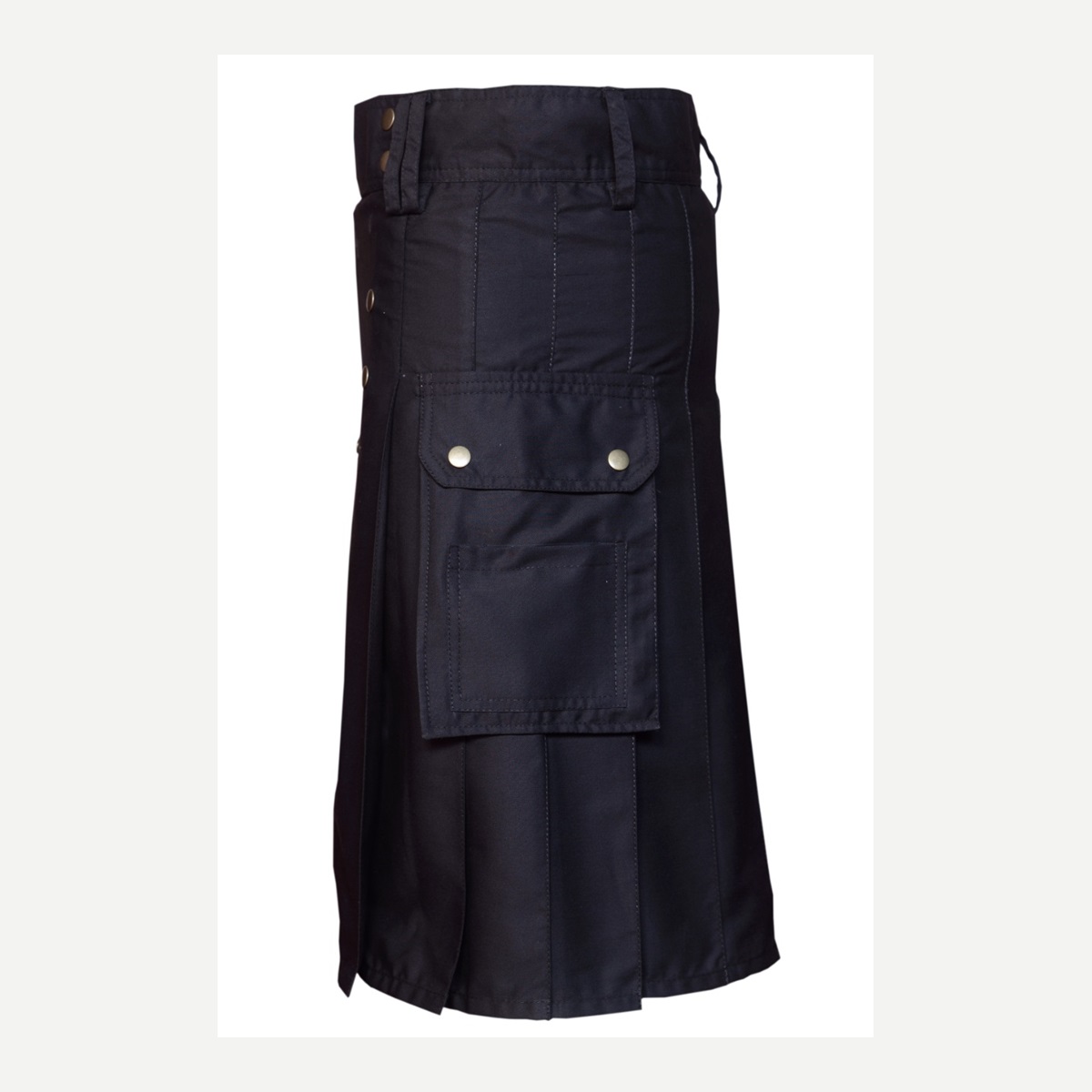 Utility Kilt Design
Adding Reflective Details to a Utility Kilt
Reflective trim can create a distinctive visual accent, but its placement, width and application method need to be planned around the garment’s seams and movement. Do not assume a reflective detail makes a garment certified protective equipment.
Read guide → Style & Design
How to Specify a Camouflage Kilt Design
Camouflage patterns vary in scale, palette and repeat. A buyer should provide a clear artwork reference and explain how the print should appear across panels and pleats rather than relying on a broad label such as woodland or desert.
Read guide →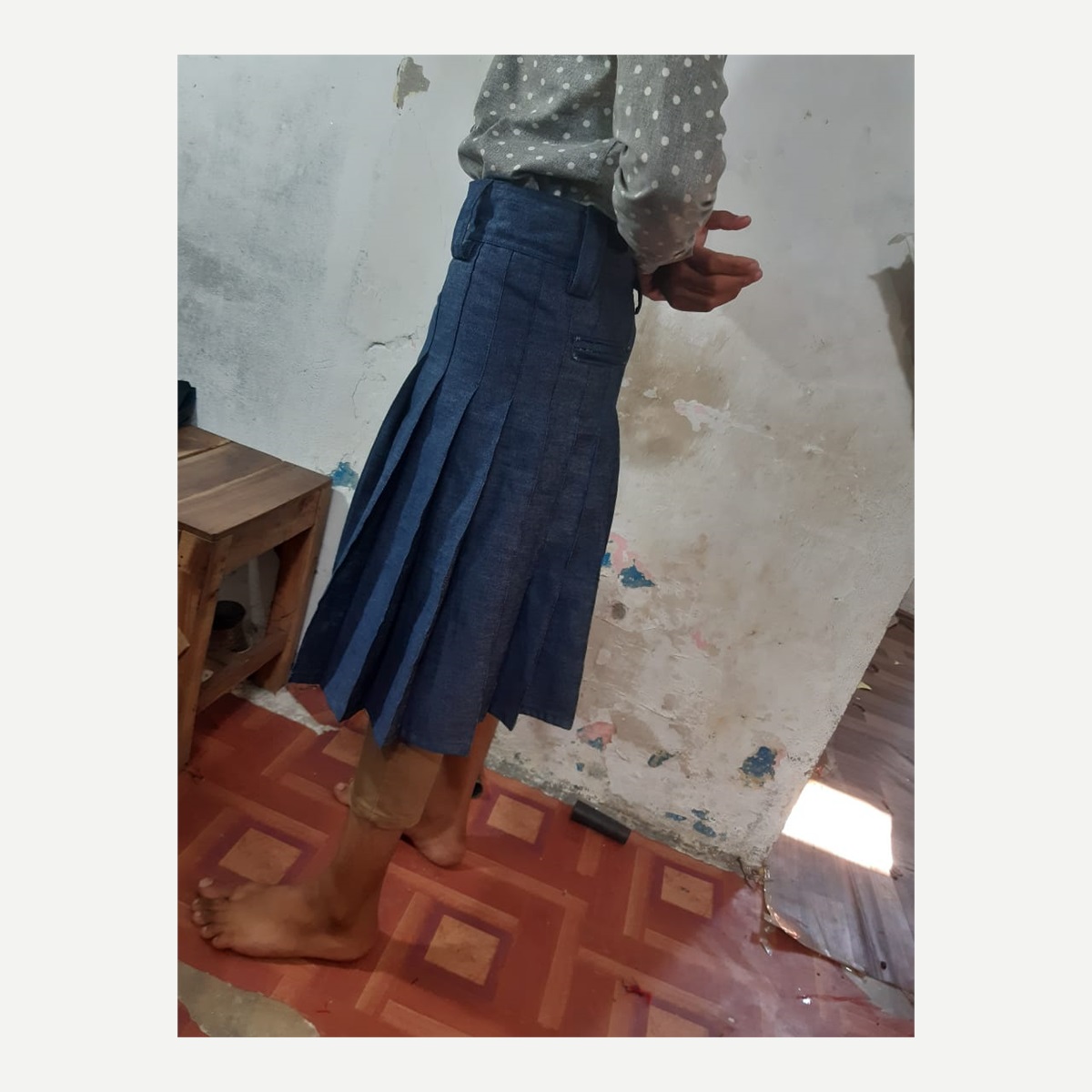 Fit & Measurement
Planning Inclusive Kilt Sizes and Fit Options
An inclusive size range starts by understanding the intended customer, not simply extending a label range. Waist, seat, length and preferred fit can vary independently, so the chart and grading plan should reflect how customers actually select the garment.
Read guide → Tech Pack & Sampling
Custom Kilt Tech Pack Checklist for Apparel Brands
A kilt tech pack helps translate a design into repeatable construction. It should answer the questions that a sketch alone cannot: exact measurements, materials, seam details, closures, branding and what counts as an acceptable finished sample.
Read guide → Tech Pack & Sampling
Creating a Kilt Bill of Materials (BOM)
A bill of materials lists the components that make up a kilt. It is the bridge between the visual design and the purchasing or production plan, particularly when colors, hardware or branding vary by style.
Read guide → Tech Pack & Sampling
Seam and Stitch Details to Include in a Kilt Specification
Seam and stitch details affect appearance, strength and comfort. A specification does not need to prescribe every production operation, but it should call out visible topstitching, stress areas and finishing requirements that are important to the design.
Read guide → Quality & Inspection
Setting Measurement Tolerances for Kilt Quality Checks
A measurement tolerance defines how much a finished garment may vary from its target measurement. Clear tolerances help a buyer and manufacturer assess samples consistently, but they should reflect the garment point, fabric and measurement method.
Read guide → Quality & Inspection
How to Inspect a Kilt Sample Before Bulk Production
A sample is an opportunity to verify the specification before a bulk commitment. A useful review checks the garment as a whole—fit, function, materials, construction and branding—not just whether it resembles the design image.
Read guide → Quality & Inspection
Pre-Production Kilt Sample Approval: What to Sign Off
Pre-production approval creates a shared reference for bulk manufacturing. The approved sample should represent the intended materials, construction, colors and branding as closely as possible, with any known differences documented.
Read guide →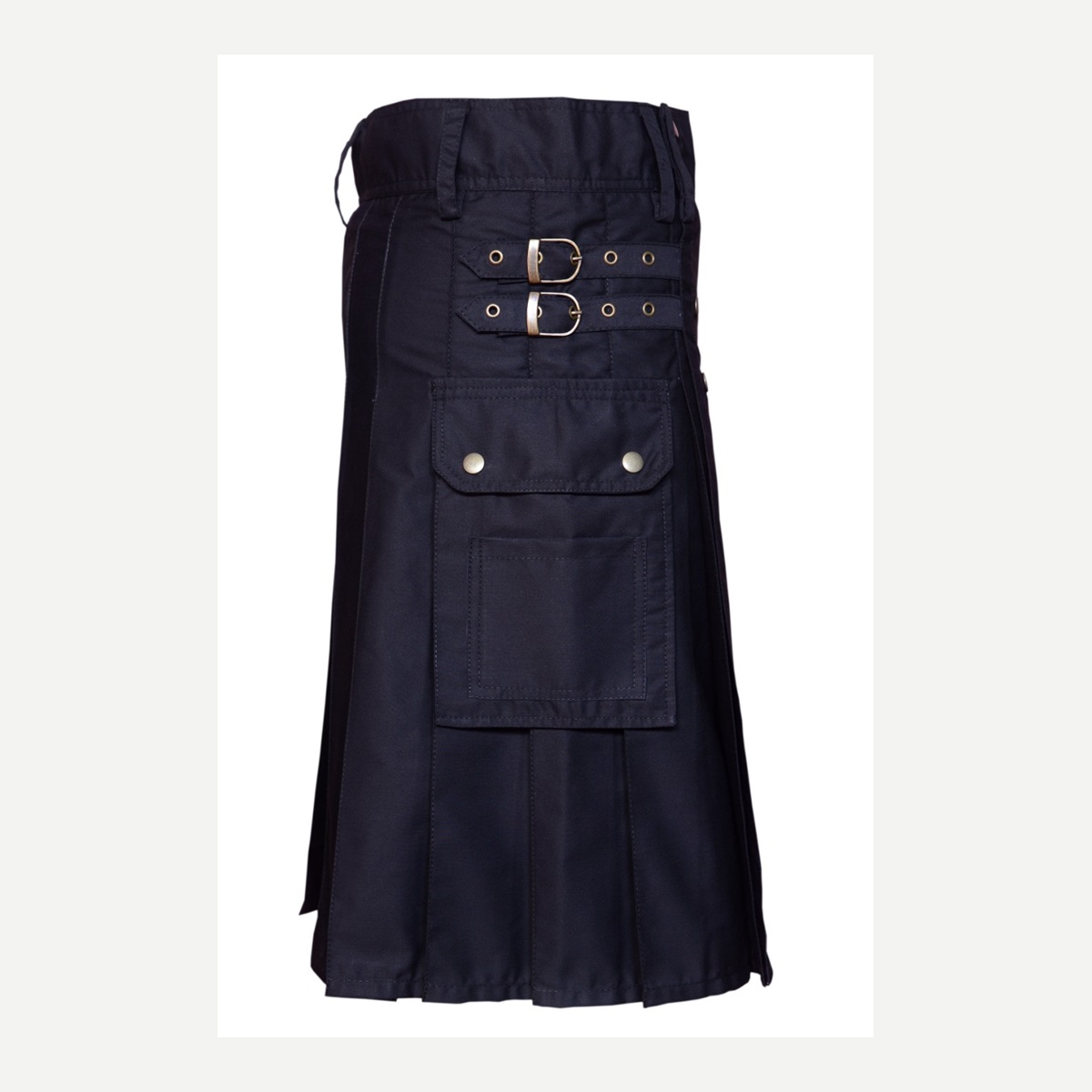 Quality & Inspection
When to Request a Kilt Size-Set Sample
A size-set sample checks whether grading works beyond the base size. It can be especially useful when the design includes fixed pocket positions, complex pleats, hardware or a wide size range.
Read guide →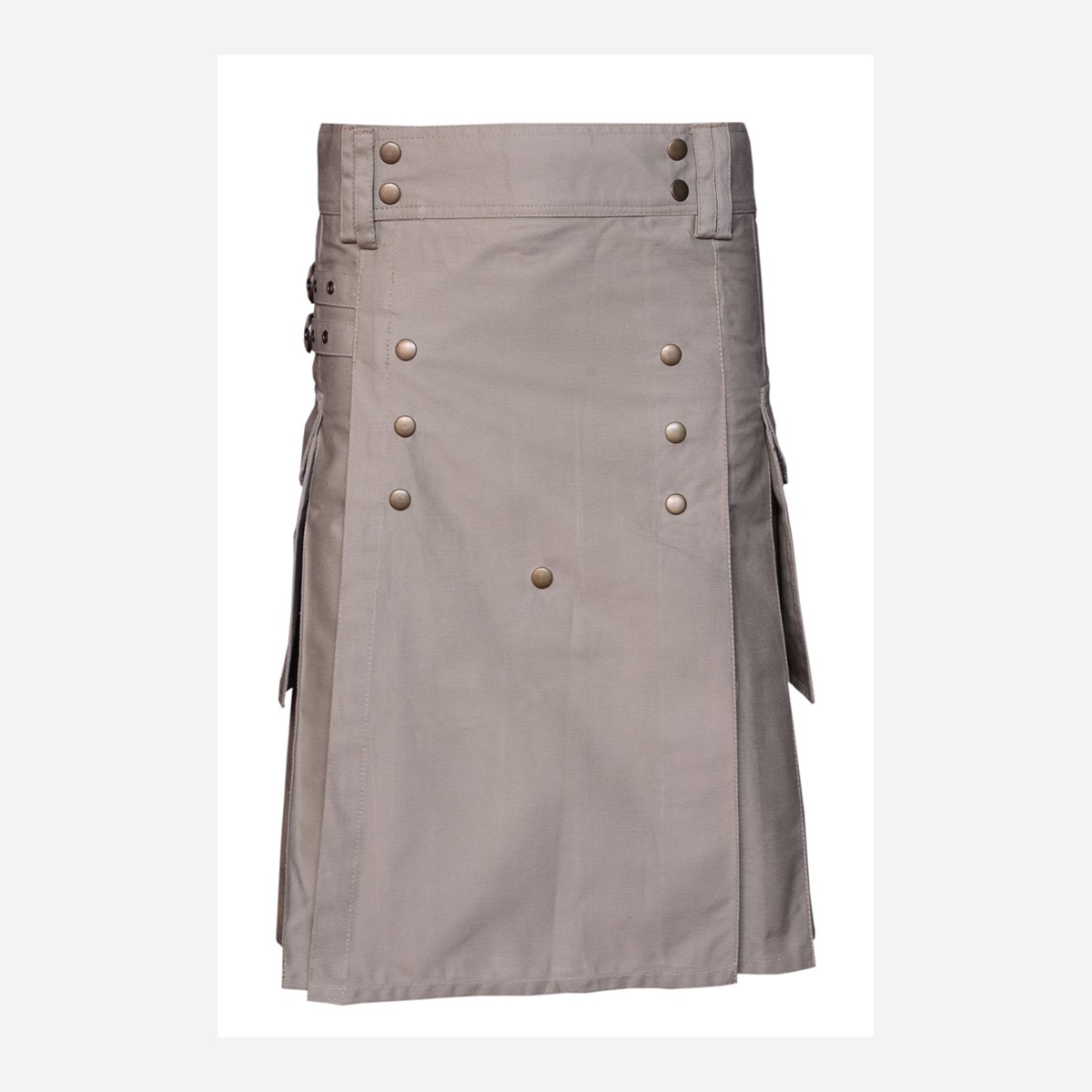 Quality & Inspection
Wash and Care Testing for Custom Kilts
Care instructions should reflect how the finished garment behaves, not simply how the main fabric is described. Kilts may combine different fabrics, trims and hardware, and these components can respond differently to washing or pressing.
Read guide → Branding & Packaging
Labels and Care Instructions for Private-Label Kilts
Labels help customers identify a brand, size and care method. For a private-label kilt, label placement and content should be planned early so they fit the garment construction and satisfy the destination market’s requirements.
Read guide → Branding & Packaging
Private-Label Branding Options for a Kilt Collection
Private-label branding can appear on the garment, packaging or both. The most effective plan fits the product’s construction and price position without adding details that are difficult to source or maintain across sizes.
Read guide → Branding & Packaging
Packaging a Custom Kilt for Retail and E-Commerce
Packaging protects a garment and shapes the customer’s first impression. A buyer should decide whether the priority is compact shipping, shelf presentation, reusable storage or a specific retail unboxing experience.
Read guide →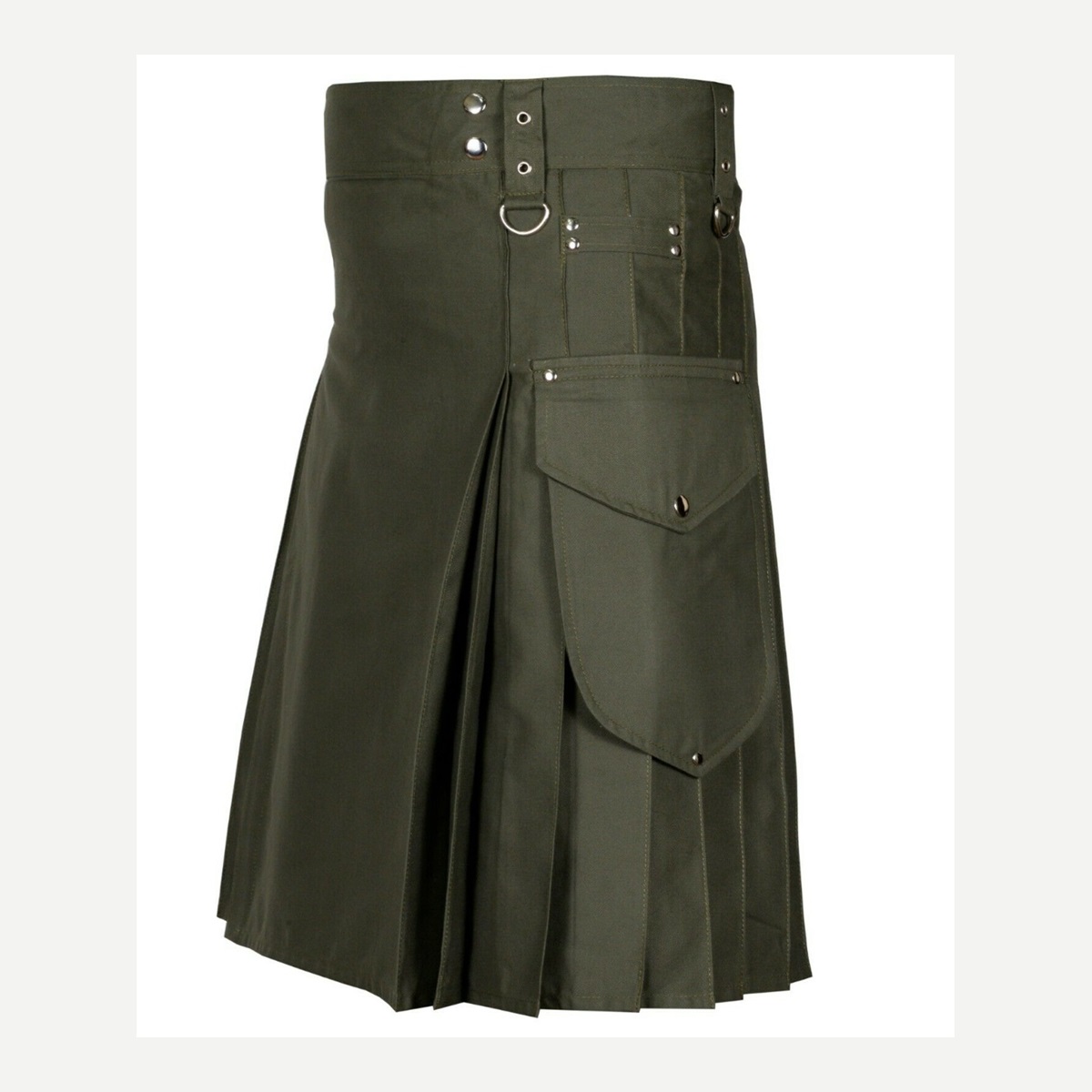 Cost & Ordering
Requesting a Custom Kilt Sample and Understanding the Quote
A sample request and a bulk quote answer different questions. A sample helps evaluate a proposed product, while a production quotation depends on the agreed specifications, order quantity, materials, branding and shipping terms.
Read guide →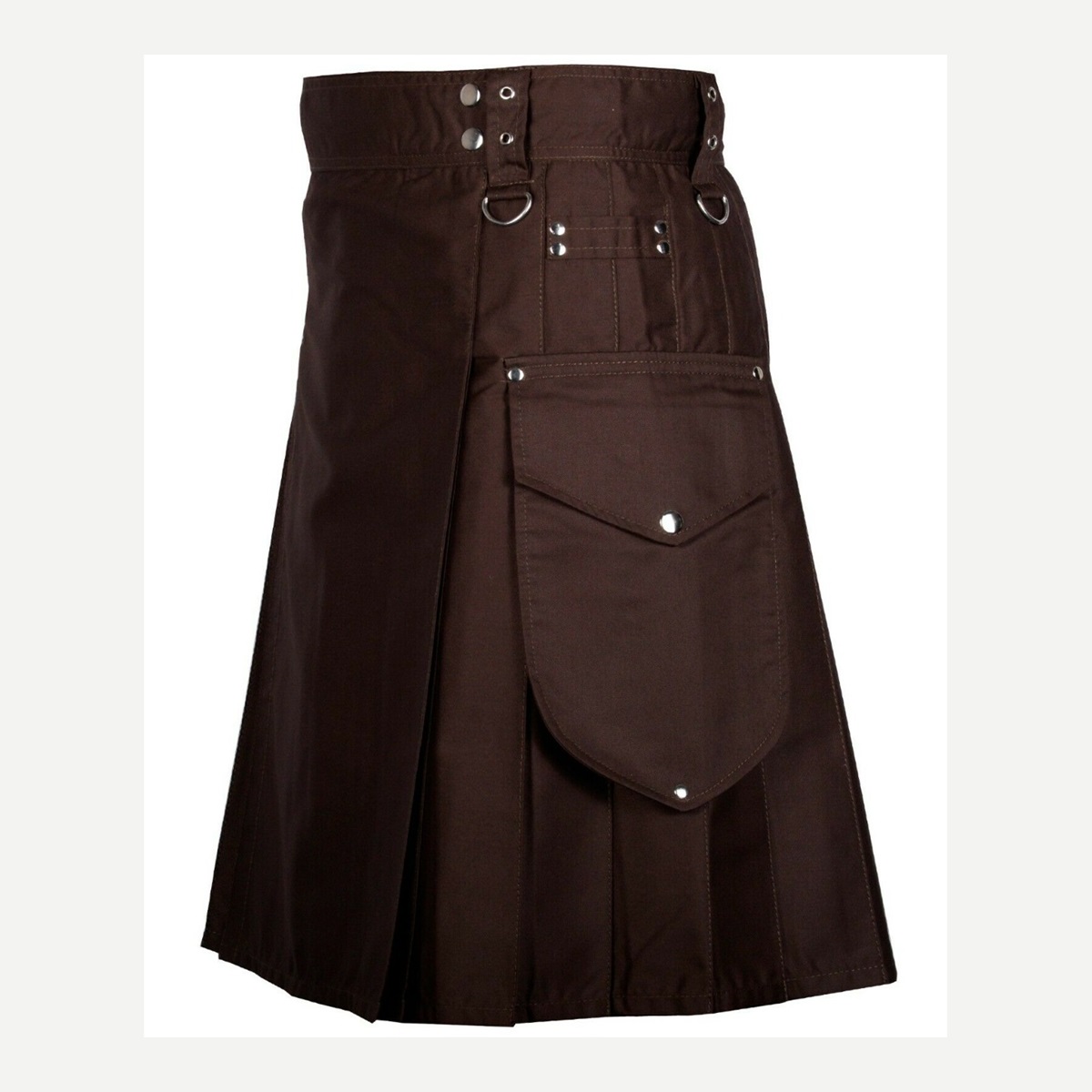 Cost & Ordering
Planning Kilt MOQ Across Sizes and Colorways
Minimum order quantities can depend on style, material, color and construction. Planning the assortment before asking for a quote helps a brand understand which choices create separate production runs and which may be consolidated.
Read guide →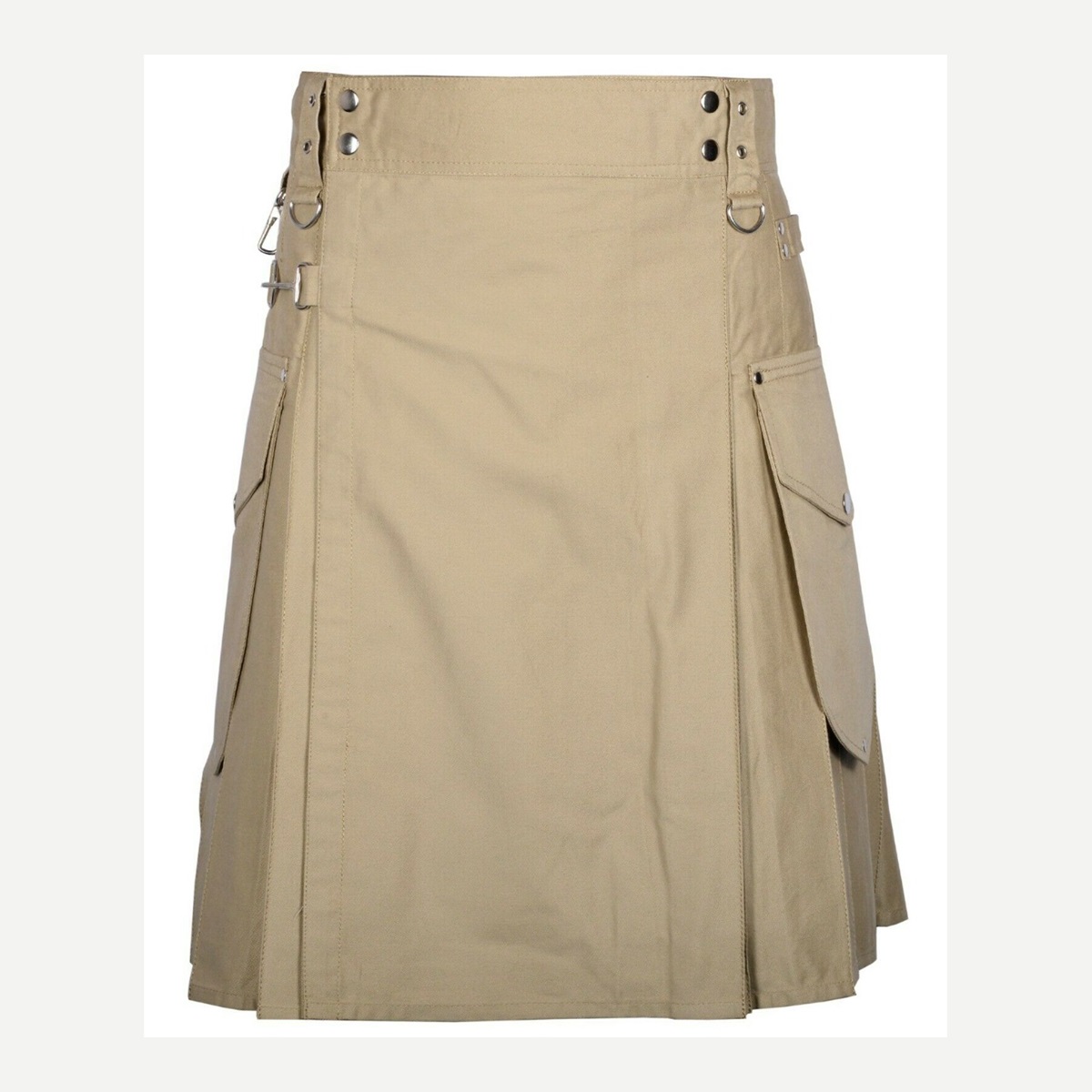 Cost & Ordering
What Drives the Cost of a Custom Kilt Order?
A custom kilt quotation reflects more than the garment silhouette. Fabric, tartan matching, pleat construction, pockets, hardware, branding, order quantity and packaging can all change the work and materials required.
Read guide → Brand & Launch
Planning a First Kilt Collection for a New Brand
A first kilt collection is easier to manage when each style has a distinct customer and purpose. A focused assortment helps the brand learn which fit, fabric and details resonate before it commits to multiple complex variations.
Read guide →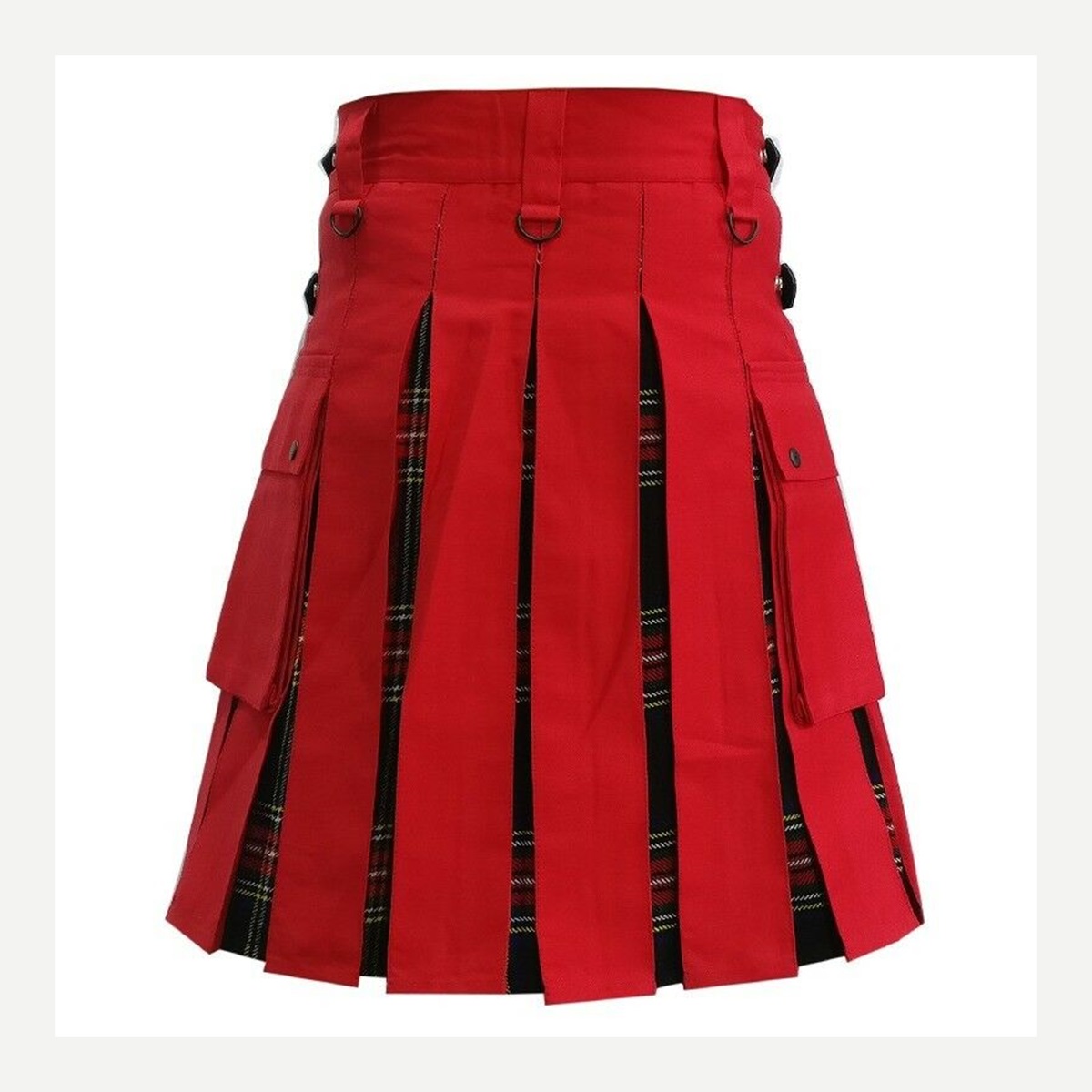 Brand & Launch
Testing Demand Before a Kilt Bulk Order
Demand testing helps a brand distinguish genuine buying interest from casual feedback. It does not remove all risk, but it can inform style, color, price and size decisions before inventory is committed.
Read guide →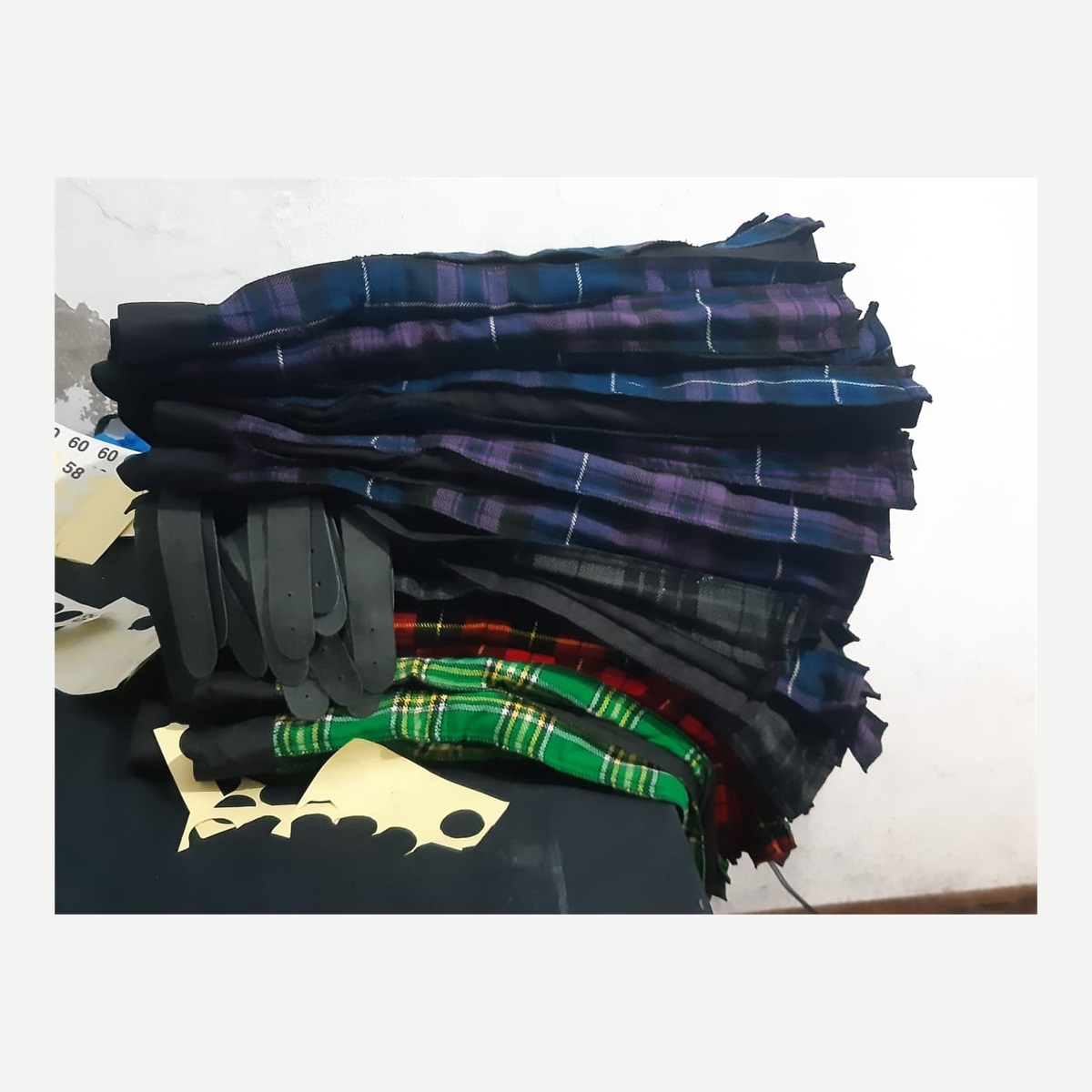 Brand & Launch
Inventory Planning for Kilt Sizes and Colorways
Inventory planning for kilts needs a view of style, color and size together. A total unit target can hide shortages in popular combinations and excess stock in combinations customers rarely choose.
Read guide → Brand & Launch
Launching a Private-Label Kilt Product Step by Step
A private-label kilt launch brings product development, branding, manufacturing and sales preparation together. The sequence matters: strong product information and approved samples should come before the brand makes detailed claims to customers.
Read guide →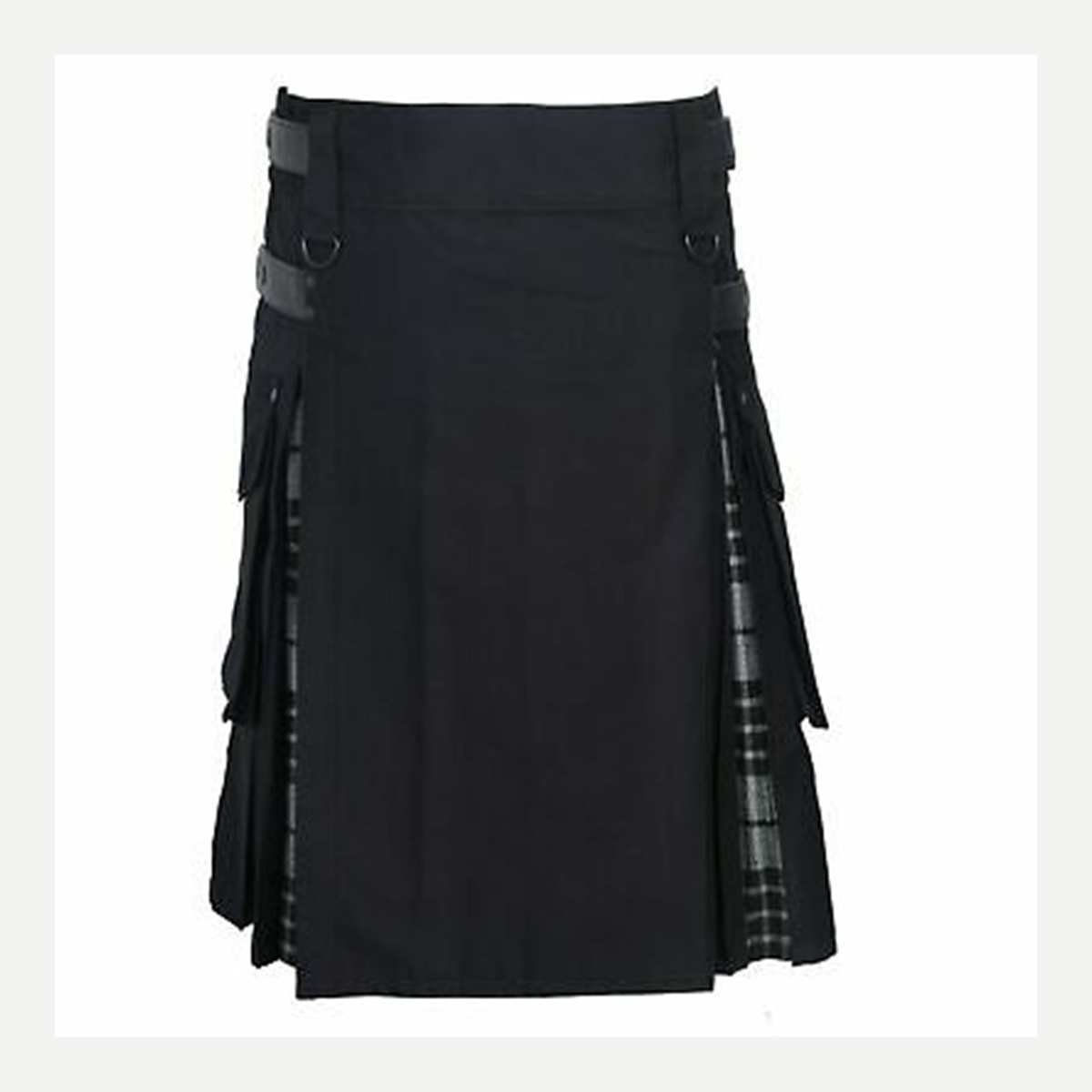 Brand & Launch
Photographing Kilts for an Online Product Page
Product photography should help shoppers understand fit, color and construction. Kilts have folds and functional details that are easy to miss in a single front-facing image, so a planned shot list is more useful than a collection of similar poses.
Read guide →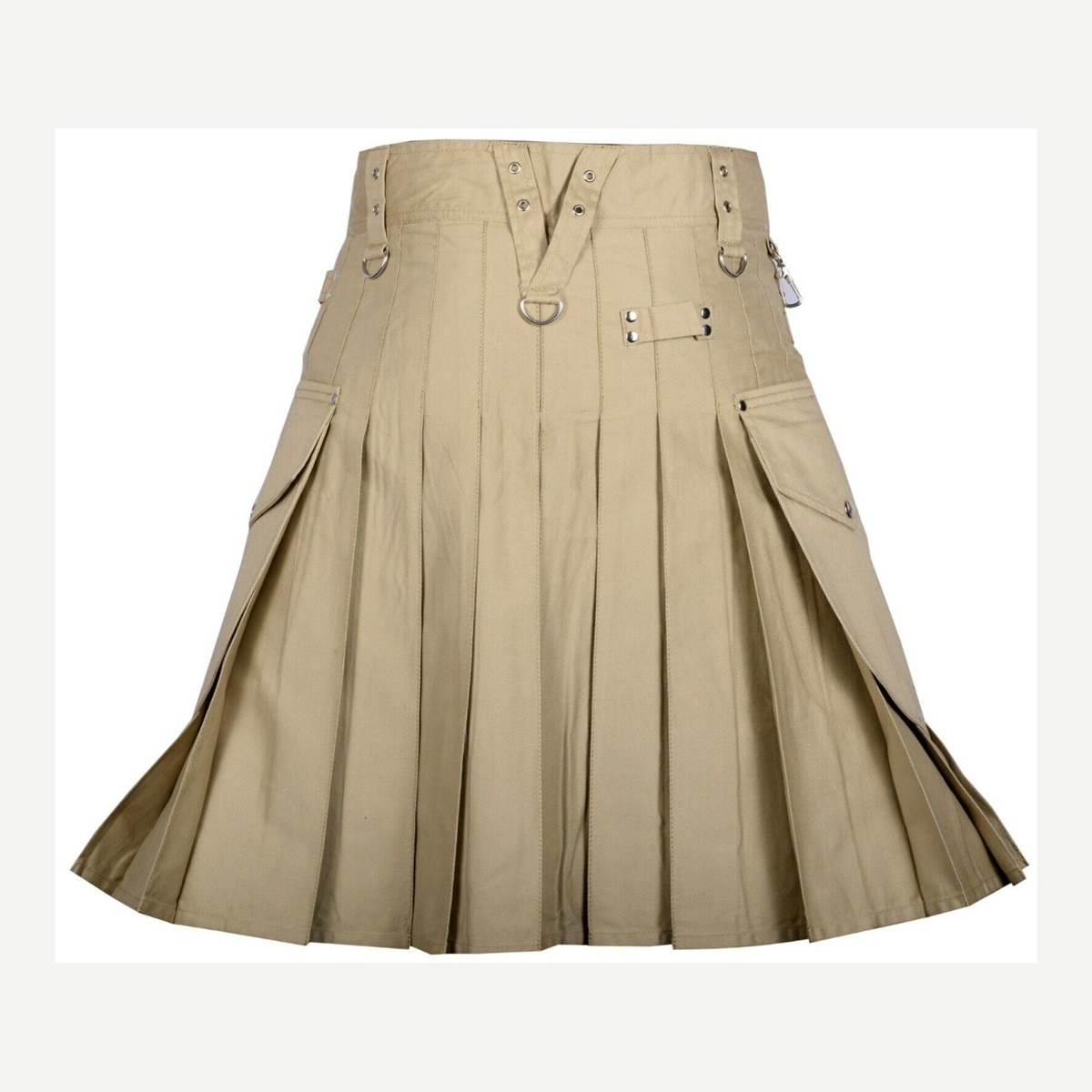 Brand & Launch
Writing Accurate Product Descriptions for Kilts
A useful kilt product description answers buyer questions without relying on vague claims. It should explain the design, fit, materials, function and care based on the actual approved product.
Read guide → Sourcing & Export
Questions to Ask a Kilt Manufacturer Before Ordering
Choosing a kilt supplier is a due-diligence process. Buyers need to understand what the supplier can make, how specifications are approved and which commercial terms apply to the exact order.
Read guide → Sourcing & Export
How to Compare Custom Kilt Manufacturer Quotes
A fair comparison requires matching scope. Two prices may cover different fabrics, quantities, labels, packaging, sampling or shipping, so the lowest number is not necessarily the lowest total project cost.
Read guide → Sourcing & Export
Planning a Custom Kilt Manufacturing Timeline
A production timeline includes more than sewing days. Design clarification, material sourcing, sampling, revisions, approvals, bulk production, inspection and shipping each require time and can affect a launch date.
Read guide → Sourcing & Export
Preparing a Custom Kilt Order for International Shipping
International shipping plans should be discussed before goods are ready. The buyer and supplier need to agree on the delivery basis, shipment documents, packaging, destination details and who handles import duties or local clearance.
Read guide → Brand & Compliance
Tartan Rights and Design Permissions for Kilt Brands
A tartan pattern may be associated with a family, organization, designer or commercial owner. Before using a pattern in a product or campaign, a brand should understand where the artwork came from and whether it has permission to reproduce it.
Read guide →