Building a Kilt Size Chart for a New Brand
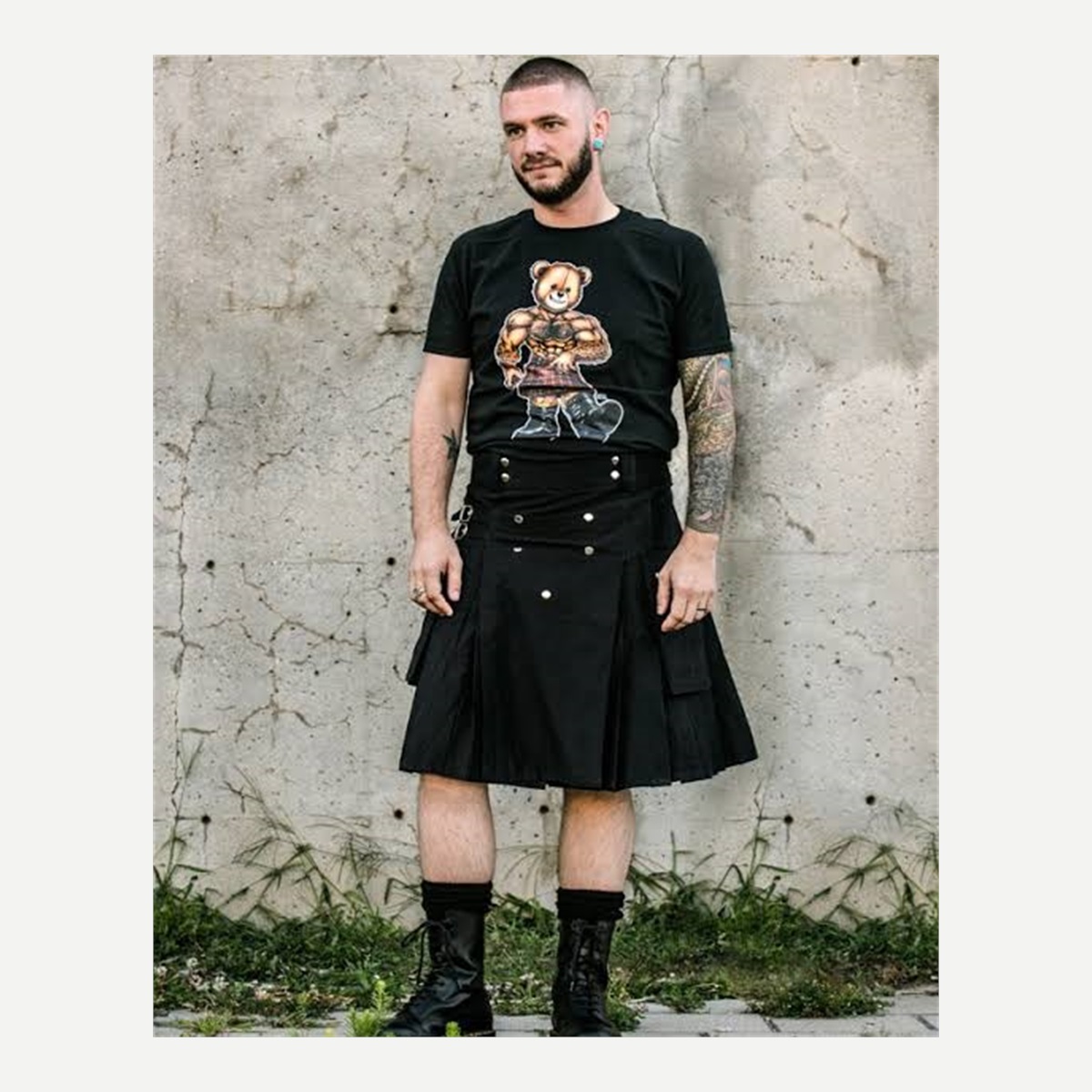
A useful kilt size chart is more than a row of waist labels. It tells a customer which body measurements to compare, explains the intended fit, and helps a production team understand how the finished garment should measure.
What to decide before you begin
Separate body measurements from finished-garment measurements and label the two tables clearly. Define each point with a diagram or plain-language note, list the unit system, and set a measurement range or tolerance only after the fit approach is agreed. If your brand already has a size chart, provide its source and identify whether it is a target body chart or a garment specification.
A practical checklist
Use this list to prepare a design brief or to review the next sample. The right level of detail depends on the design, but decisions should be clear enough for both sides to verify.
- Use clear size labels and units.
- Separate body and garment measurement tables.
- Define waist, seat, rise and length points.
- State the fit intent and wearing ease.
- Check that size increments are logical across the range.
Common mistake to avoid
Avoid copying an online chart without confirming its measurement definitions or regional assumptions. A chart should be checked against a sample before it is published as a customer promise.
Taking this kilt idea to production?
Share your reference, estimated quantity, size range and destination with our team. Minimums, sampling, feasibility and pricing are confirmed for each project.
Discuss a Kilt Project View Custom Kilt Styles