Understanding Quality Control Standards in Apparel Manufacturing

Quality control is the backbone of reliable apparel manufacturing. Without systematic QC processes, even the best-designed garments can arrive with defects that damage your brand reputation and eat into your margins through returns, chargebacks, and replacements.
Understanding QC standards allows you to set clear expectations with your manufacturer and ensure every shipment meets your requirements. This guide covers the industry standards that matter most to international buyers.
What is AQL and Why Does It Matter?
AQL stands for Acceptable Quality Level — the most widely used quality inspection standard in apparel manufacturing globally.
AQL defines the maximum defect rate considered acceptable for a shipment. It uses statistical sampling methods, meaning inspectors check a representative sample of your order rather than every individual piece.
Understanding AQL Levels
The AQL number represents the worst acceptable quality level for a production batch:
| AQL Level | Defect Rate | Used For |
|---|---|---|
| AQL 1.0 | 1.0% max defects | Medical devices, critical products |
| AQL 1.5 | 1.5% max defects | High-end fashion, premium brands |
| AQL 2.5 | 2.5% max defects | Standard apparel (most common) |
| AQL 4.0 | 4.0% max defects | Lower-grade products |
At Al Wahab Global, we apply AQL 2.5 across all orders — the international industry standard for quality apparel production.
The Three Types of Defects
AQL inspections classify defects into three severity categories:
Critical Defects (AQL 0)
These defects create safety hazards or are completely unacceptable:
- Sharp objects left in garments (needles, pins)
- Toxic substances or harmful chemicals
- Choking hazards in children's wear
- Mislabeled fiber content or country of origin
Acceptable rate: 0% — any critical defect fails the batch
Major Defects
Defects that would cause a customer to reject the product:
- Visible holes or tears
- Significant color inconsistency
- Wrong size labeling
- Incorrect design placement
- Broken zippers or buttons
- Measurement deviations beyond tolerance
- Poor print registration or color bleeding
Minor Defects
Defects noticeable but not affecting function:
- Slight stitching irregularities
- Small thread ends (within acceptable limits)
- Minor color shading variation
- Slight measurement variations within tolerance
Types of Inspection in Apparel Manufacturing
1. Pre-Production Inspection (PPI)
Conducted before bulk production begins:
- Raw material verification (fabric, trims, labels)
- Sample approval confirmation
- Production schedule review
- Specification sheet review with factory
When it matters: New supplier relationships, complex orders, tight quality requirements
2. During Production Inspection (DUPRO / Inline QC)
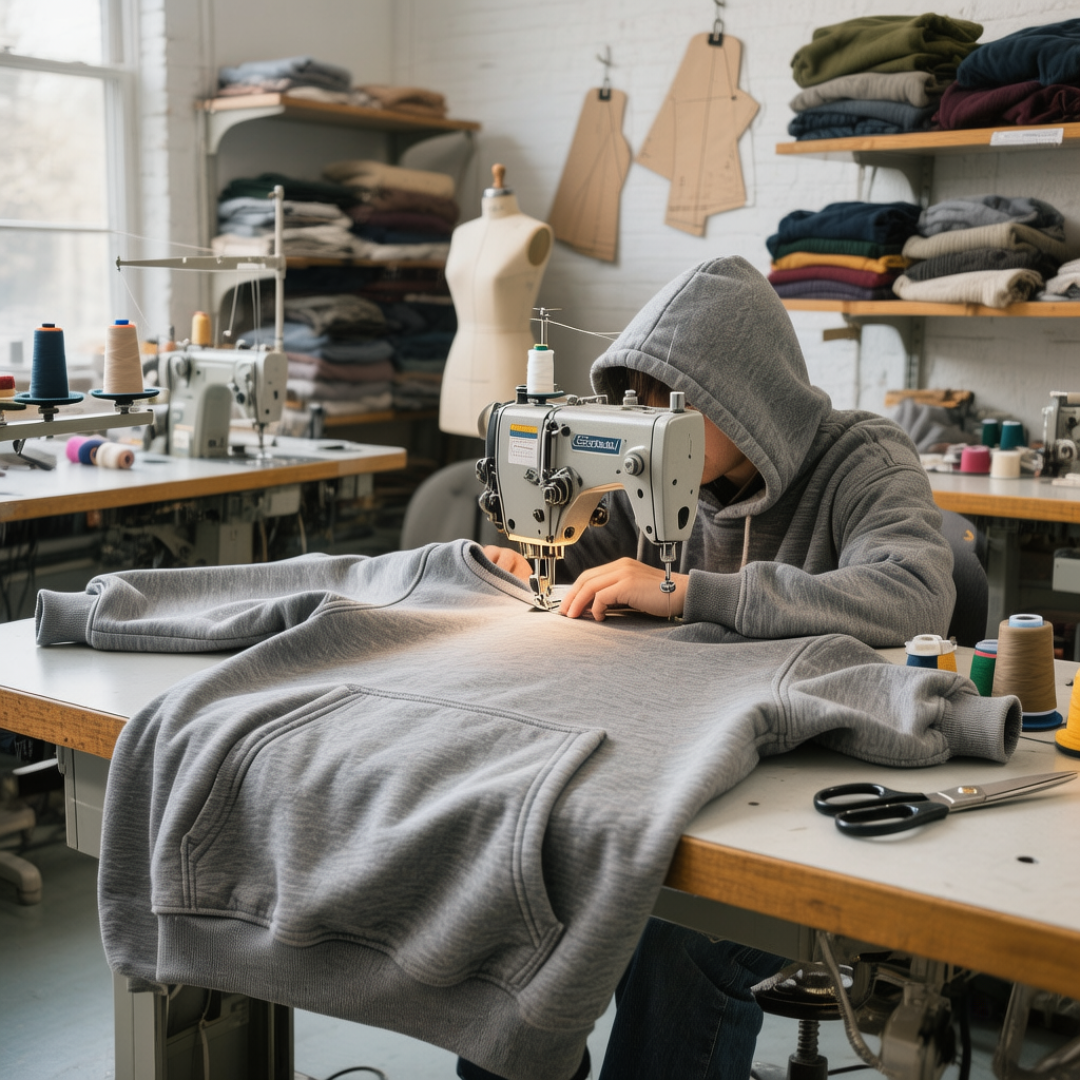
Conducted when 30-60% of production is complete:
- Catches issues early before entire batch is produced
- Allows corrections without scrapping the full order
- Verifies materials match approved samples
- Confirms production is on schedule
Key check points:
- Fabric shade consistency across the batch
- Stitching quality and stitch density
- Measurement accuracy across sizes
- Label placement and text accuracy
- Zipper and trim quality
3. Pre-Shipment Inspection (PSI / Final QC)
Most important inspection — conducted when 80-100% of production is complete:
- Formal AQL sampling based on order quantity
- Comprehensive check of all product specifications
- Pass/fail determination for the batch
- Packing and labeling verification
4. Loading Supervision
Watching actual loading into shipping containers:
- Verify correct cartons are loaded
- Check container condition
- Confirm packing list accuracy
Measurement Tolerances in Apparel
Garment measurements must fall within acceptable tolerance ranges:
| Measurement Point | Tolerance |
|---|---|
| Chest / Bust | ±1 inch (±2.5 cm) |
| Length (body/sleeve) | ±0.5 inch (±1.2 cm) |
| Waist | ±0.75 inch (±2 cm) |
| Shoulder width | ±0.5 inch (±1.2 cm) |
| Inseam | ±0.5 inch (±1.2 cm) |
Fabric Testing Standards
Professional manufacturers test fabric quality before production begins:
Key Fabric Tests
- Color fastness (ISO 105): How well color withstands washing and rubbing
- Shrinkage test (ISO 6330): Dimensional change after washing
- Tensile strength (ISO 13934): Fabric tear resistance
- Pilling resistance (ISO 12945): How fabric handles wear
- Moisture wicking (AATCC 195): Performance fabric functionality
- Flammability (16 CFR Part 1610): US fire safety compliance
Stitching Quality Standards
Quality stitching is fundamental to garment durability:
| Seam Type | Standard Stitch Count |
|---|---|
| Single needle lockstitch | 10-12 stitches per inch |
| Overlock (serger) | 12-14 stitches per inch |
| Flatlock stitch | 12-14 stitches per inch |
| Chain stitch | 8-10 stitches per inch |
Quality stitching indicators:
- Even tension throughout seam
- No skipped stitches
- Proper thread trimming
- Secure bartacks at stress points
- No puckering at seam lines
Decoration Quality Checks
Sublimation Printing
- Color vibrancy matches approved artwork
- Clean edges without bleeding
- No white spots or unprinted areas
- Registration accuracy (front/back alignment)
- Coverage to seam edges
Embroidery
- Density matches approval sample
- Clean edges without loose threads
- No fabric puckering
- Backing material properly applied
- Color accuracy vs. approved sample
Screen Printing and Heat Transfer
- Full ink coverage without pinholes
- No ink bleed beyond design edges
- Proper curing (won't wash off)
- Placement matches tech pack coordinates
Labeling and Compliance Requirements
Label compliance varies by market:
USA Requirements (FTC Rules)
- Fiber content (percentage by weight)
- Country of origin
- Care instructions
- Manufacturer or dealer identity
EU Requirements
- Fiber content in official EU language
- Country of origin (mandatory for imports)
- REACH compliance for chemical substances
- CE marking where applicable
UK Requirements (Post-Brexit)
- UK REACH compliance
- UKCA marking where applicable
- Same labeling requirements as EU
How to Request a QC Report from Your Manufacturer
Always request these documents before shipment approval:
- Inspection report: AQL sampling results with defect counts
- Measurement report: Actual measurements vs. specifications
- Pre-shipment photos: Packed goods, carton labels, product samples
- Packing list: Detailed breakdown of quantities per style/size/color
- Test reports: Fabric test results if required by your market
Building Quality Into Your Supply Chain
Reactive QC (inspecting at the end) is less effective than proactive quality building:
- Clear specifications: Detailed tech packs prevent interpretation errors
- Approved samples: Physical references eliminate misunderstandings
- Regular communication: Check-ins during production catch issues early
- Long-term relationships: Manufacturers prioritize quality for repeat clients
- Certification requirements: ISO 9001:2015 ensures systematic QC processes
Manufacturing Quality You Can Trust
Al Wahab Global applies AQL 2.5 quality control on every order with inline and final inspection. ISO 9001:2015 certified. Full QC documentation provided before every shipment.
Get a Quality Quote →Conclusion
Understanding quality control standards empowers you to make informed decisions about your manufacturing partner and set clear expectations that protect your brand.
AQL 2.5, systematic inspection checkpoints, and clear defect classifications are the foundation of reliable apparel production. When your manufacturer follows these standards — and can prove it with documentation — you can build a business with confidence, knowing what customers receive reflects your brand standards.