Future Trends in Custom Sports Apparel You Should Know
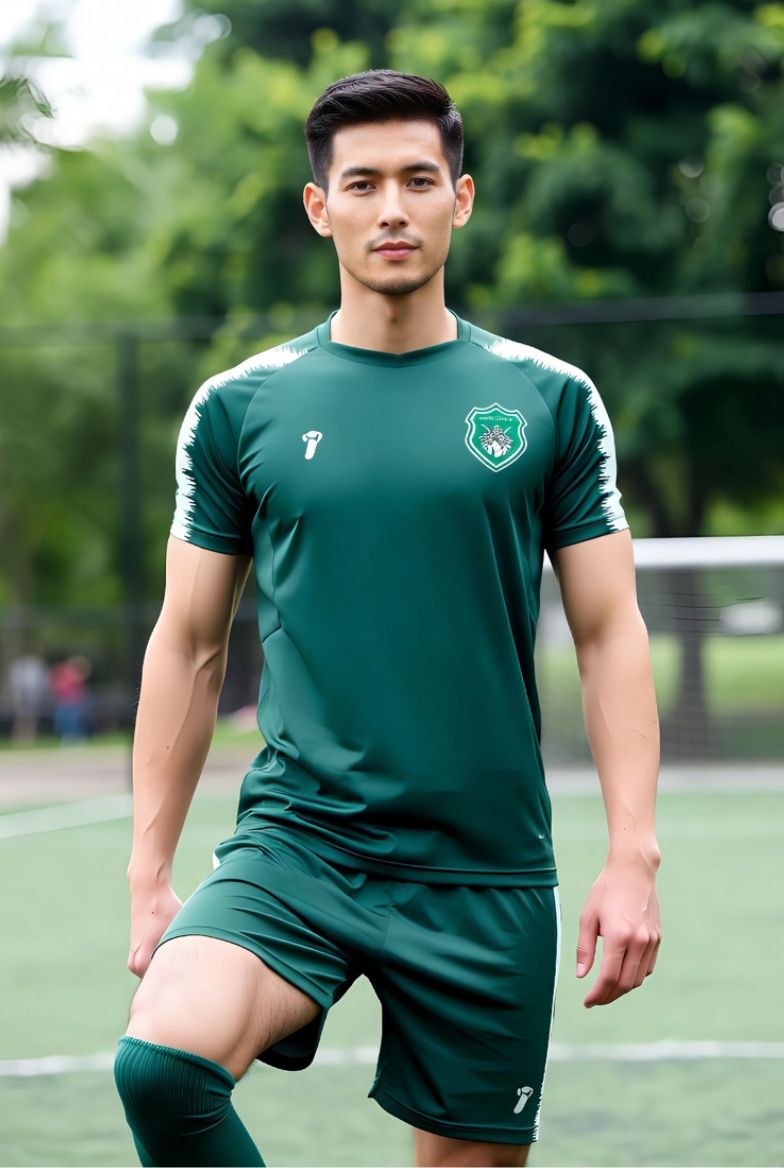
The sports apparel industry is evolving faster than ever. What worked in 2020 feels dated in 2025. Advances in fabric technology, sustainability demands, personalization capabilities, and shifting consumer expectations are reshaping how custom sportswear is designed, manufactured, and marketed.
For brands working with OEM manufacturers, staying ahead of these trends isn't just about being fashionable — it's about remaining competitive in an increasingly sophisticated market.
Here are the key trends shaping the future of custom sports apparel through 2026 and beyond.
1. Smart Fabrics and Wearable Technology Integration
The line between apparel and technology is blurring. Sports apparel is becoming "smart," with embedded sensors and connectivity features that track performance metrics in real-time.
What's Happening Now
- Biometric tracking: Fabrics with embedded sensors monitor heart rate, body temperature, and muscle activity
- Moisture-sensing fabrics: Materials that change color or texture based on sweat levels
- Compression monitoring: Garments that adjust compression levels dynamically
- NFC chips in labels: Authentication, washing instructions, and product information accessed via smartphone
Implications for Custom Manufacturers
While fully-integrated smart fabrics remain expensive, hybrid approaches are becoming accessible:
- Dedicated pockets for removable sensors
- Conductive thread for future sensor integration
- QR codes on labels linking to performance tracking apps
- Partnership opportunities with tech companies
2. Hyper-Personalization and On-Demand Manufacturing
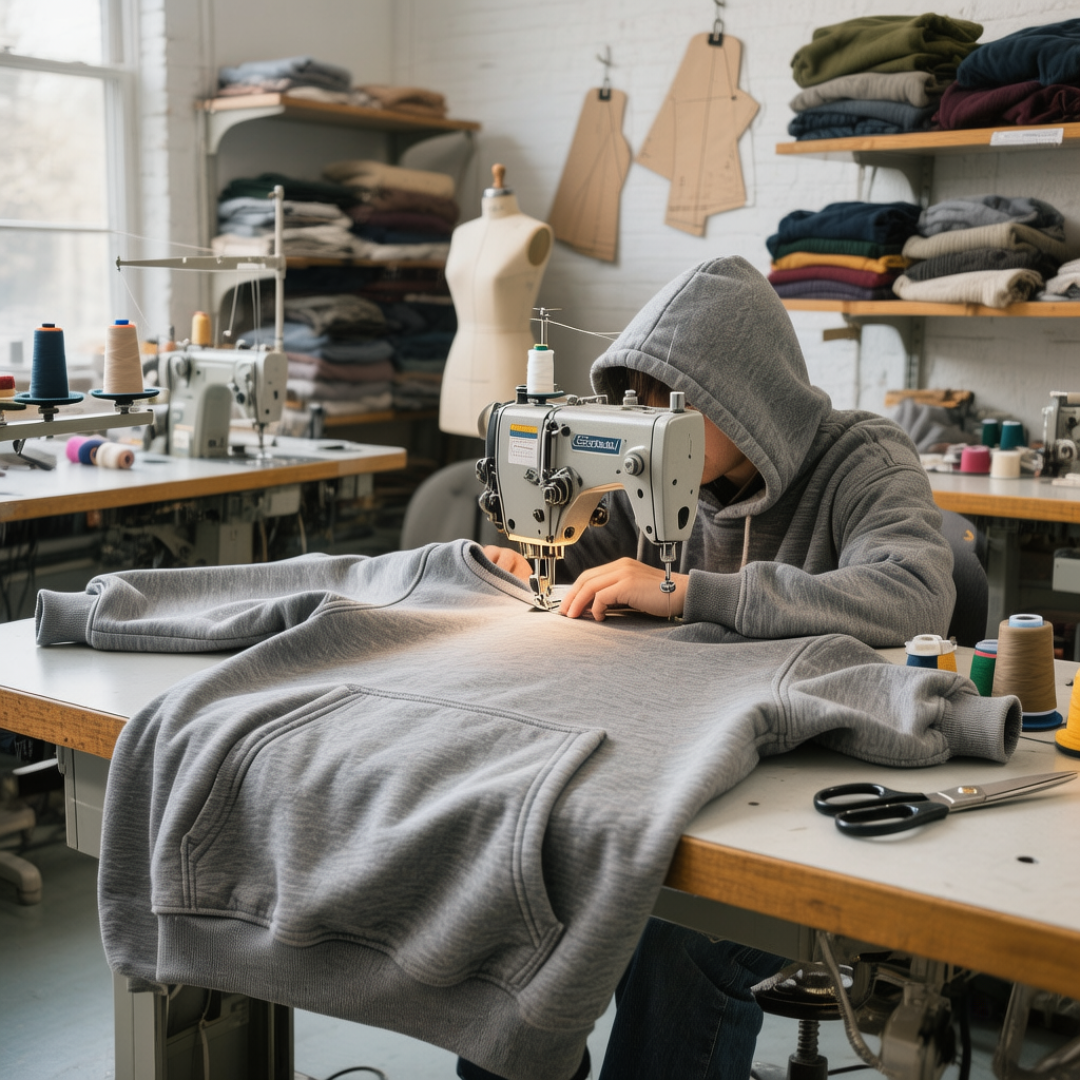
Mass personalization is no longer a luxury — it's an expectation. Athletes and teams want unique designs that reflect individual identity, not cookie-cutter uniforms.
Emerging Personalization Technologies
- Sublimation printing: Unlimited colors and designs without MOQ penalties
- Digital embroidery: Faster setup and lower minimums than traditional embroidery
- 3D body scanning: Custom-fitted garments based on individual measurements
- AI-powered design tools: Customers create designs through intuitive interfaces
Market Opportunity
Brands that offer true customization at low MOQs capture market segments that traditional manufacturers can't serve:
- Amateur sports teams (10-30 players)
- E-sports and gaming apparel
- Corporate wellness programs
- Micro-influencer collaborations
3. Sustainability as Standard, Not Exception
Environmental consciousness has moved from marketing buzzword to purchasing criteria. Gen Z and millennial consumers actively choose brands based on sustainability credentials.
Key Sustainability Trends
- Recycled polyester: Now comparable in price and performance to virgin polyester
- Organic cotton: Growing availability and competitive pricing
- Biodegradable synthetics: Performance fabrics that break down naturally
- Waterless dyeing: Reduces water consumption by up to 95%
- Circular manufacturing: Take-back programs and garment recycling initiatives
Certifications That Matter
- GRS 4.0 (Global Recycled Standard)
- OEKO-TEX Standard 100
- bluesign® certification
- Fair Trade certification
Al Wahab Global holds GRS 4.0 and OEKO-TEX certifications, enabling brands to market sustainably without greenwashing.
4. Gender-Neutral and Inclusive Sizing
The future of sports apparel is inclusive. Binary sizing is being replaced by size ranges that accommodate all body types.
Design Shifts
- Unisex cuts: Moving away from "men's" and "women's" to universal sizing
- Extended size ranges: XS to 4XL as standard, not exception
- Adjustable features: Drawstrings, elastic panels, and adaptable fits
- Modest options: Longer lengths and higher necklines for cultural and personal preferences
5. Advanced Performance Fabrics
Fabric innovation continues to drive product differentiation in sports apparel.
Cutting-Edge Materials
- Graphene-enhanced fabrics: Superior thermal regulation and antimicrobial properties
- Phase-change materials: Absorb and release heat to maintain optimal body temperature
- Hydrophobic coatings: Water and stain resistance without compromising breathability
- 4-way stretch with recovery: Maintains shape after repeated wear and washing
- UV-blocking fabrics: Built-in sun protection for outdoor sports
6. Athleisure Evolution: Sport-to-Street

The boundary between performance sportswear and everyday fashion continues to dissolve. Athletes want garments that transition seamlessly from gym to street.
Design Features
- Hidden pockets for phones and keys
- Reflective details for visibility without being overly "athletic"
- Premium finishes and minimalist branding
- Elevated color palettes beyond traditional sports colors
- Modular designs (removable sleeves, convertible pants)
7. Direct-to-Consumer (DTC) Dominance
The DTC model continues to disrupt traditional retail. Sports apparel brands are cutting out middlemen and building direct relationships with customers.
What This Means for Manufacturing
- Lower MOQs needed: Brands test and iterate faster
- Faster turnaround times: Seasonal collections replaced by continuous drops
- Better data integration: Manufacturers need to work with brand's inventory systems
- Direct-to-FBA shipping: Manufacturers deliver to Amazon warehouses
8. Regional Manufacturing and Near-Shoring
Supply chain disruptions during 2020-2023 taught brands the value of diversified manufacturing. The trend toward near-shoring and regional production continues.
Why Pakistan Benefits
- Closer to EU markets than East Asian alternatives
- Competitive pricing with faster shipping to Europe
- GSP+ status provides tariff advantages
- English-speaking workforce facilitates communication
9. Micro-Collections and Limited Drops
Inspired by streetwear culture, sports brands are adopting the "drop" model: small-batch releases that create urgency and exclusivity.
Manufacturing Requirements
- Flexible MOQs to accommodate small runs
- Quick turnaround times (2-4 weeks)
- Ability to rapidly prototype new designs
- Communication platforms for real-time updates
10. Transparency and Traceability
Consumers want to know where and how their clothing is made. Blockchain and digital tracking are entering the apparel industry.
Transparency Tools
- NFC tags: Scan to see factory location, materials, and certifications
- QR codes: Link to manufacturing story and sustainability credentials
- Digital passports: Complete product lifecycle from raw material to finished garment
- Factory tours: Video content showcasing production facilities
How to Future-Proof Your Sports Apparel Brand
Partner with Progressive Manufacturers
Work with manufacturers who invest in:
- New fabric technologies
- Sustainable production methods
- Low-MOQ capabilities
- Digital communication tools
- Transparent certifications
Start Testing Trends Now
Don't wait for trends to mature. Test emerging features in limited runs:
- Order 10-50 pieces with sustainable fabrics
- Trial personalization technologies on small batches
- Experiment with gender-neutral sizing
- Gather customer feedback before scaling
Manufacture Future-Ready Sports Apparel
Al Wahab Global stays ahead of industry trends with sustainable materials, low MOQ flexibility, and advanced customization capabilities. Let's build your next-generation sports apparel line.
Discuss Your Project →Conclusion
The future of custom sports apparel is personalized, sustainable, technologically integrated, and inclusive. Brands that embrace these trends early will capture market share from slower-moving competitors.
The good news? These trends don't require massive investment. Start small, test innovations, and scale what resonates with your audience. With the right manufacturing partner, you can be at the forefront of sports apparel evolution.