10 Innovative Trends in Streetwear for 2026
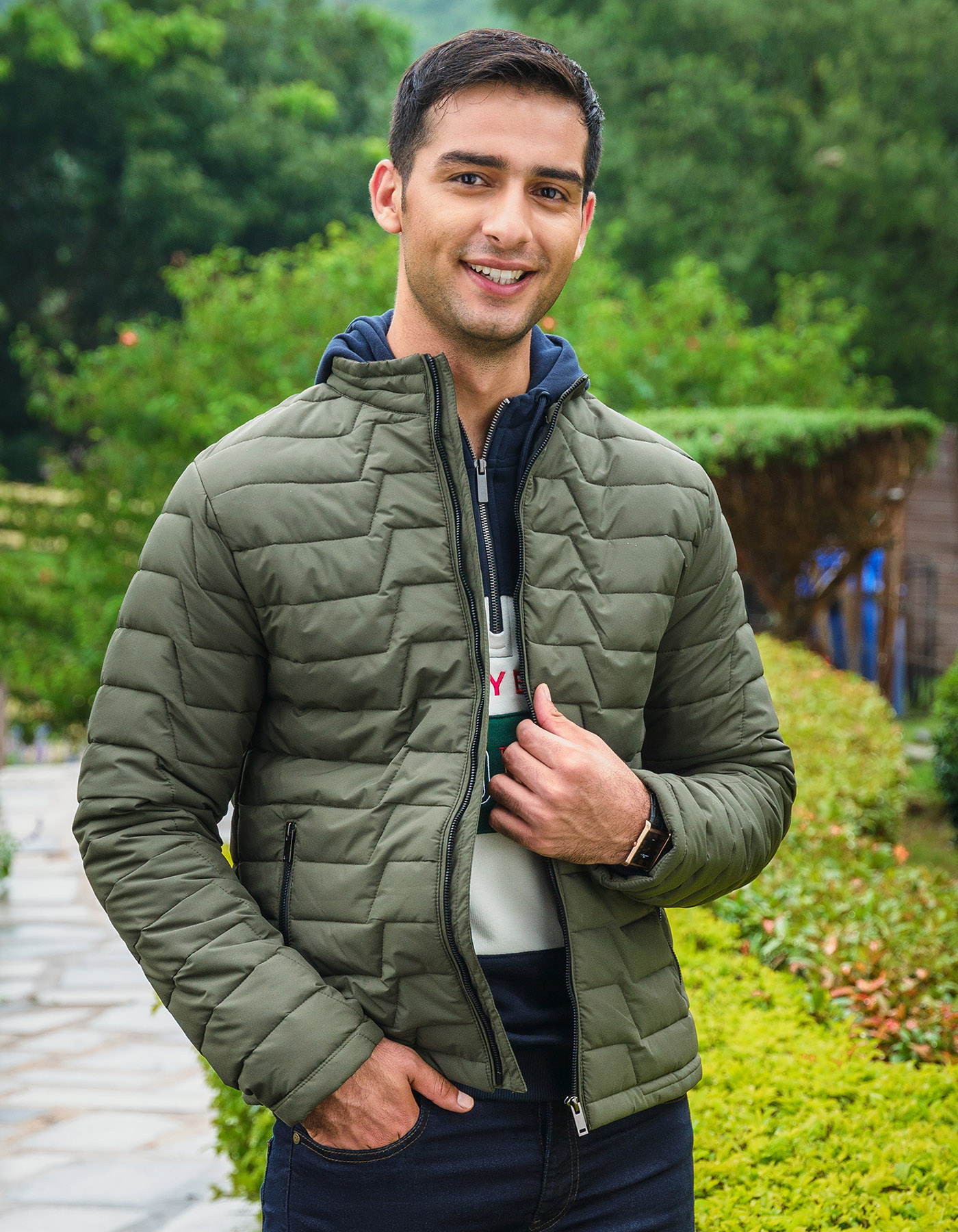
Streetwear continues its evolution from underground subculture to mainstream fashion force. As we enter 2026, the streetwear landscape is being shaped by technological integration, sustainability demands, and the blurred lines between fashion, function, and digital culture.
Here are the 10 trends defining the next wave of streetwear design and manufacturing.
1. Ultra-Heavyweight Blanks (400-600 GSM)
The heavy-weight hoodie trend that started in 2023 is intensifying. Consumers want garments that feel substantial, premium, and built to last.
What's driving it:
- Reaction against fast fashion's flimsy construction
- Quality signal for premium positioning
- Better drape and silhouette
- Longer product lifespan
Specs to request:
- Hoodies: 450-550 GSM fleece
- T-shirts: 240-280 GSM cotton jersey
- Sweatpants: 380-450 GSM terry or fleece
2. Modular and Convertible Designs
Function meets flexibility. Garments that adapt to different situations are resonating with consumers who value versatility.
Examples:
- Detachable sleeves converting jackets to vests
- Zip-off pant legs creating shorts
- Reversible designs offering two colorways
- Multi-position hoods and collars
- Hidden pockets revealing on demand
3. Techwear Meets Streetwear

The boundary between technical outerwear and street fashion is dissolving. Urban consumers want military-grade functionality with streetwear aesthetics.
Key features:
- Waterproof breathable fabrics (10K/10K minimum)
- Tactical pocket systems and cargo details
- Adjustable straps, buckles, and cinches
- Reflective accents and panels
- Technical fabrics with stretch
4. Upcycled and Recycled Fabrications
Sustainability isn't a trend — it's a requirement. Gen Z consumers actively choose brands with environmental credentials.
Materials gaining traction:
- 100% recycled polyester (indistinguishable from virgin)
- Organic cotton with recycled polyester blends
- Deadstock fabric utilization
- Patchwork designs from production scraps
- Hemp and bamboo blends
Marketing angle: Transparently communicate recycled content percentages and GRS certification.
5. Digital-Physical Hybrid Drops
Streetwear brands are bridging physical garments with digital collectibles, creating new value propositions and community engagement.
Implementation strategies:
- NFC chips in labels linking to digital twins
- QR codes unlocking exclusive content
- Proof of ownership via blockchain
- AR try-on experiences
- Member-only Discord/Telegram access through purchase
6. Archive-Inspired Vintage Aesthetics
90s and early 2000s nostalgia continues dominating streetwear design language. But it's evolved beyond simple retro reproductions.
2026 interpretation:
- Oversized silhouettes with modern cuts
- Y2K graphics updated with contemporary printing techniques
- Faded, distressed finishes on new garments
- Vintage sportswear colorways (earth tones, burgundy, forest green)
- Retro logo treatments and typography
7. Gender-Fluid Sizing and Cuts
The industry's moving away from binary gender labels toward inclusive sizing that works for all body types.
Design shifts:
- Unisex size runs replacing separate men's/women's lines
- Adjustable features accommodating different proportions
- Extended size ranges (XS to 3XL standard)
- Inclusive marketing featuring diverse body types
8. Utility-First Design Philosophy
Every design element serves a purpose. The "form follows function" mantra is driving streetwear away from decorative excess.
Functional features:
- Phone-sized pockets (minimum 6.5" screen accommodation)
- Hidden document pockets in waistbands
- Key clips and carabiner loops
- Media pass-through for headphones
- Ventilation zippers in high-sweat areas
9. Collaborative Drops and Limited Capsules
The collaboration economy shows no signs of slowing. Successful streetwear brands in 2026 are partnership-driven.
Collaboration opportunities:
- Artist collaborations (graphic designers, illustrators)
- Cross-industry partnerships (gaming, music, sports)
- Influencer capsules (100-500 piece runs)
- Regional exclusives for different markets
Why it works: Shared audiences, credibility transfer, limited scarcity driving demand
10. Color Palettes: Earth Tones and Tech Neutrals
The color story of 2026 streetwear splits into two directions:
Earth-Tone Movement:
- Olive drab, rust, clay, sand, charcoal
- Natural dye aesthetics
- Muted, desaturated palettes
- Brown as the new black
Tech Neutrals:
- Black, white, grey foundation
- Strategic neon accents (safety orange, electric yellow)
- Reflective silver details
- Monochromatic total looks
Manufacturing Considerations for These Trends
MOQ Requirements
Testing trend viability requires flexible manufacturing:
- Start with 10-50 pieces to gauge market response
- Scale up trends that gain traction
- Quickly discontinue underperformers
Lead Time Expectations
Streetwear drops operate on fast timelines:
- Sampling: 7-10 days
- Production: 2-4 weeks
- Total concept-to-delivery: 4-6 weeks ideal
Fabric Sourcing
Work with manufacturers who have:
- In-stock heavyweight fabrics
- Access to technical and recycled materials
- Ability to source specialty fabrics on demand
Manufacture Trend-Forward Streetwear
Al Wahab Global produces cutting-edge streetwear from MOQ 10 pieces. Heavyweight blanks, technical fabrics, sustainable materials, and rapid sampling. Bring your vision to life.
Start Your Collection →Conclusion
Streetwear in 2026 is defined by quality over quantity, functionality over decoration, and authenticity over hype. Brands that embrace heavyweight construction, sustainable materials, technical features, and genuine cultural connections will thrive in this evolved landscape.
The good news for emerging brands: these trends don't require massive investment. Partner with a flexible OEM manufacturer, test concepts in small batches, and scale what resonates. The streetwear market rewards innovation and authenticity more than budget size.